Western banks are rapidly withdrawing from commodity trade finance in the Gulf region, leaving oil and grain traders without the traditional banking rails necessary to settle international transactions. Institutions are shuttering accounts to avoid any potential exposure to sanctioned Iranian entities, a move that is inadvertently freezing out firms with no connection to the regional conflict.
Luke Sully, CEO of trade finance-focused stablecoin issuer Haycen, reports that the industry is seeing a wave of sudden debanking. "Since the war, banks are further retreating from certain commodity flows," Sully told CoinDesk. "We spoke with some commodity traders who are getting debanked now."
Trade finance represents a $2 trillion market that relies heavily on bank-provided settlement and payment infrastructure. While non-bank lenders have gained ground over the last decade, they remain dependent on these banking rails to move capital across borders. Banks are now opting to withdraw from entire categories of trade rather than perform granular risk assessments on individual clients.
The shift to USDT settlement
As standard banking channels close, commodity traders are increasingly utilizing Tether’s USDT to maintain operations. Stablecoins now offer the instant, cross-border settlement that traditional banks are no longer willing to provide for firms operating in high-risk geographies.
"Funds don’t get lost for seven days," Sully said. "You can log in, see your deposits and counterparties in one place, and settle instantly." USDT has emerged as a functional alternative for traders who have been pushed out of the traditional financial system despite following standard compliance protocols.
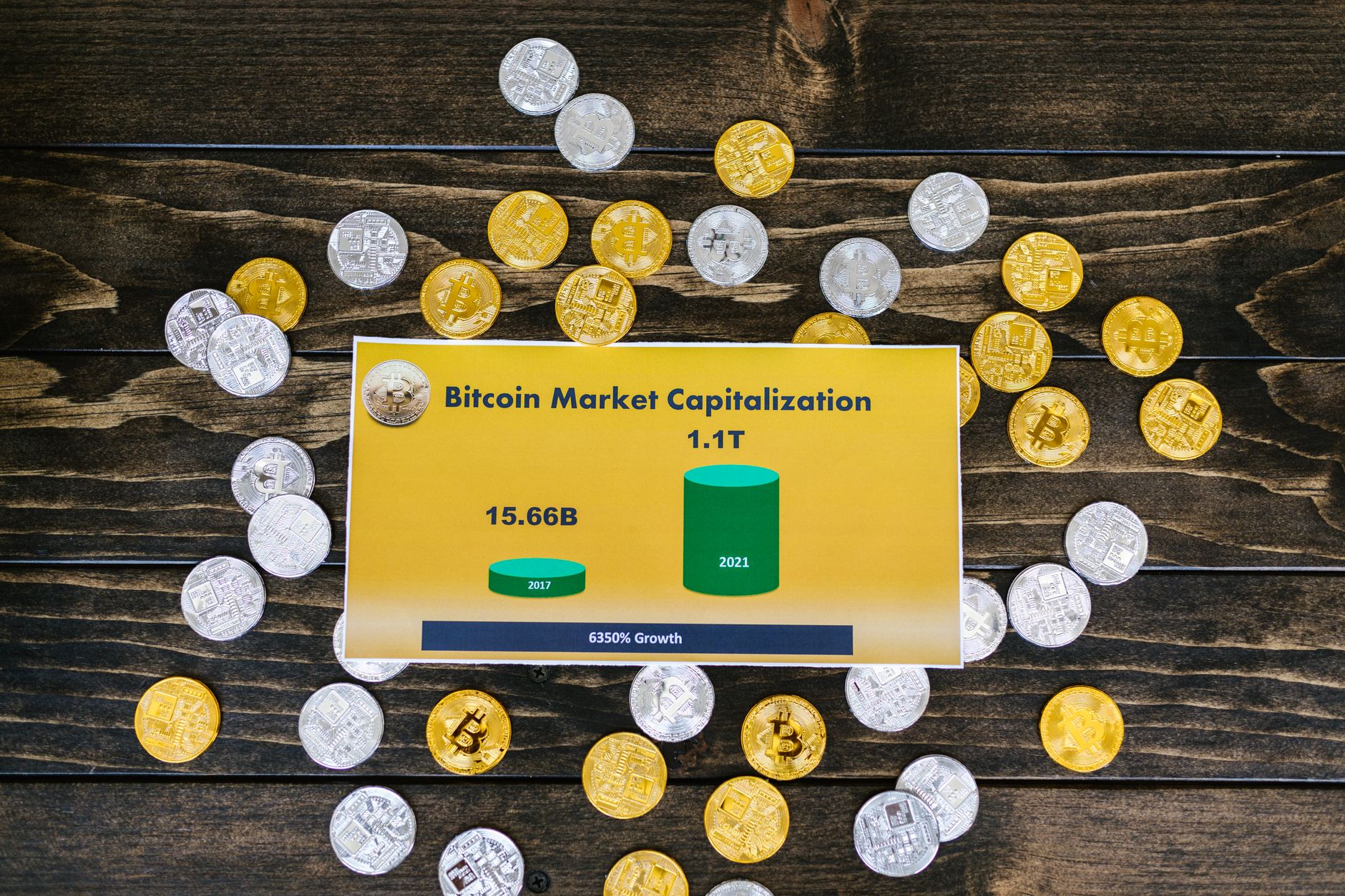
This shift is not driven by a preference for decentralized assets, but by functional necessity. Traders operating in the Gulf must continue to facilitate payments to stay in business. With total stablecoin market capitalization exceeding $300 billion in 2025, the infrastructure is now robust enough to support these enterprise-level flows.
The current sanctions regime, designed to isolate Iranian entities, is acting as a blunt instrument. By creating a climate where banks fear any proximity to the region, the policy is restricting legitimate trade in Oman, the UAE, and other hubs. Traders are not choosing stablecoins out of ideology; they are adopting them because they are currently the only viable method for settling contracts that banks refuse to touch.