Lawmakers advancing a compromised market structure bill have triggered mixed reactions across the fractured cryptocurrency industry. The proposed agreement focuses on stablecoin yield provisions within the Clarity Act, aiming to resolve stalled negotiations. Industry leaders remain divided on whether the language sufficiently protects business models or hinders innovation.
Coinbase and other stakeholders expressed discomfort with the specific wording pitched by lawmakers this week, according to sources familiar with the situation. While no entity has declared definitive opposition, an industry call highlighted sharp differences regarding the path forward. Some participants were pleasantly surprised by the text, whereas others viewed the proposal with significant skepticism.
The new proposal directs regulatory agencies to draft rules establishing how issues like rewards might be overseen. Concerns exist regarding regulators issuing subjective criteria for governing permissible activity across different types of rewards programs. Industry participants argued that any resulting rulemaking must remain neutral to avoid creating uneven competitive advantages. Specific concerns include the potential for agencies to define permissible activities subjectively rather than through clear statutory guidelines. Such ambiguity creates uncertainty for compliance teams managing complex reward structures across multiple jurisdictions.
Language regarding transaction scales could restrict firms' ability to tie rewards to the volume of stablecoin transactions in an account. This limitation poses a potential obstacle for programs resembling traditional credit card rewards systems. Such restrictions could fundamentally alter how financial incentives are structured within digital asset platforms. Analysts suggest this might reduce the appeal of stablecoin custody services compared to traditional banking products.
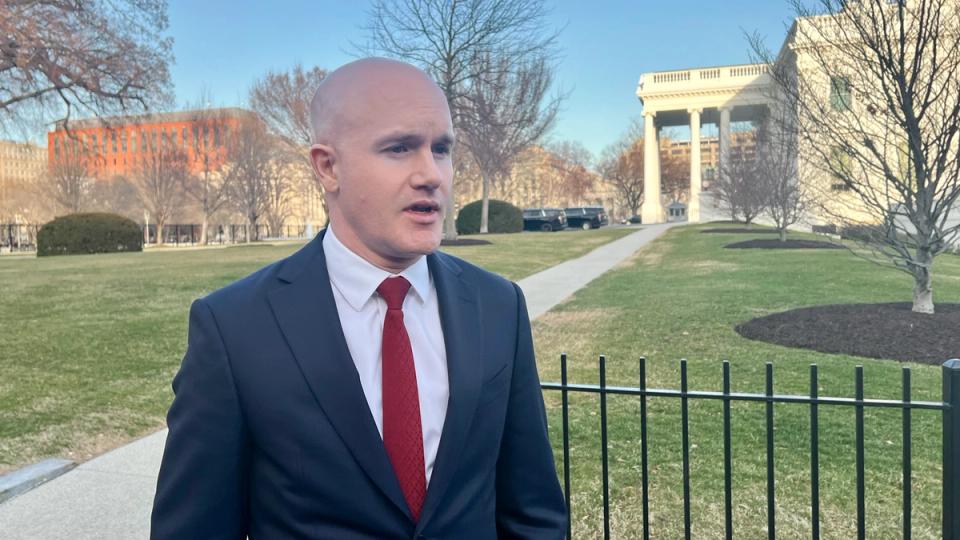
Coinbase CEO Brian Armstrong has been a leading voice through months of negotiation, often pushing back against compromises that narrow yield programs. His previous opposition to an earlier effort at stablecoin yield compromise helped derail a planned Senate hearing. A White House favorite in the crypto sphere, Armstrong leads the company that potentially has the most to lose from narrowing its stablecoin rewards programs.
Market volatility followed the news, with Circle stock dropping 20% on Tuesday before ticking up slightly on Wednesday. The negative response to the Clarity Act revisions caused chaos in the market for the leading US stablecoin issuer. However, observers noted that Tuesday news from rival Tether about submitting to an audit may have been another factor in the hit to Circle shares. The trading volume fluctuated significantly as traders assessed the potential impact on stablecoin issuance capacity.
Patrick Witt, the White House's crypto adviser, criticized uninformed predictions about the Clarity Act status on social media. He posted that everything is going to work out and described the outlook as bullish. Conversely, one source advocated taking a step back and staying off Twitter during the uncertainty.
The banking industry representatives have not publicly shared their views on the latest proposal text. These bankers represent the other side on the stablecoin yield debate and their silence leaves a gap in the public record. Their eventual stance will determine the final viability of the compromise between financial institutions and crypto firms.
The updated text expected late this week or early next week will likely have been revised from the version shared during Monday and Tuesday meetings. Lawmakers are unlikely to want to rewrite too much of the long-debated text, suggesting minor adjustments rather than a full overhaul. Stakeholders will scrutinize these changes for any shifts in the regulatory framework. This revision process is critical as it determines the timeline for the bill's introduction to the Senate floor for a vote.
Giving up certain stablecoin rewards could be costly for some participants, but losing the Clarity Act's full-fledged establishment of crypto within the US financial system is seen as a bigger risk. The industry faces a critical decision between immediate product limitations and long-term regulatory clarity. What comes next depends on whether a consensus can emerge before the text is finalized. Stakeholders will watch closely to see if the agreement holds or if further negotiations are required to secure the bill's passage. The stakes involve billions of dollars in potential revenue streams and the legal status of digital assets nationwide.