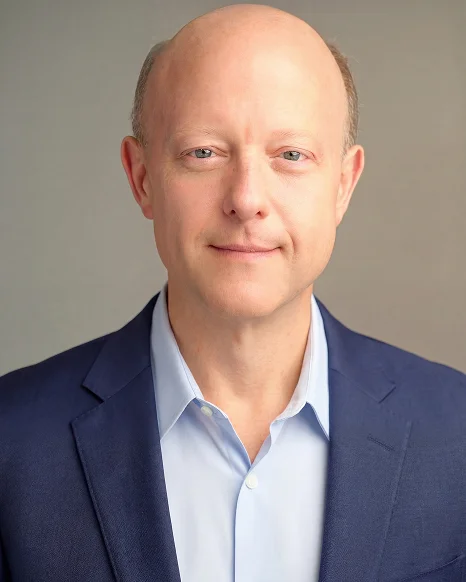
Circle CEO Jeremy Allaire defended his company’s decision not to freeze $230 million in USDC stolen during the recent $280 million Drift protocol exploit. Speaking at a press conference in Seoul on Monday, Allaire emphasized that the firm operates strictly under the rule of law rather than acting as a private arbiter of justice.
The exploit, which security analysts linked to North Korean actors, drew sharp criticism from the crypto community. Blockchain investigator ZachXBT and other prominent voices publicly condemned Circle for failing to block the illicit funds as they moved across chains using the company’s Cross-Chain Transfer Protocol.
Allaire pushed back against the pressure to intervene unilaterally. “Circle has a very, very clear performance obligation under the law,” Allaire said. “Circle follows the rule of law, and we are able to undertake actions such as freezing a wallet at the direction of law enforcement or the courts.”
Navigating legal authority and corporate power
Critics have pointed to previous instances where Circle froze 16 wallets linked to a U.S. civil case as evidence of inconsistency. Allaire argued that those actions were taken in direct response to legal mandates, whereas acting without such authority would set a dangerous precedent.
“Circle as a company does not get to decide what is the right path or not,” Allaire said. He noted that if a private company begins making its own determinations on which funds to seize, it creates a significant “moral quandary.”
He added that expecting a private entity to step away from legal requirements to perform its own enforcement is a “very risky proposition.”
Despite his firm stance on current operations, Allaire signaled that the company is pursuing a framework to change this dynamic in the future. He confirmed that Circle is working with U.S. lawmakers on the Clarity Act, which seeks to provide a “safe harbor” for stablecoin issuers.
This legal protection would allow issuers like Circle to take preventive measures during extreme circumstances without fear of liability. “That is something that we've been discussing with lawmakers, and we believe would be necessary, but we need that to be in the law, not just what we decide on our own,” Allaire said.
Concurrent with the press event, the company announced that it has signed memorandums of understanding with Upbit and Bithumb, South Korea’s two largest cryptocurrency exchanges. The partnerships aim to expand Circle’s footprint in the South Korean market as it seeks to integrate its services with local infrastructure.