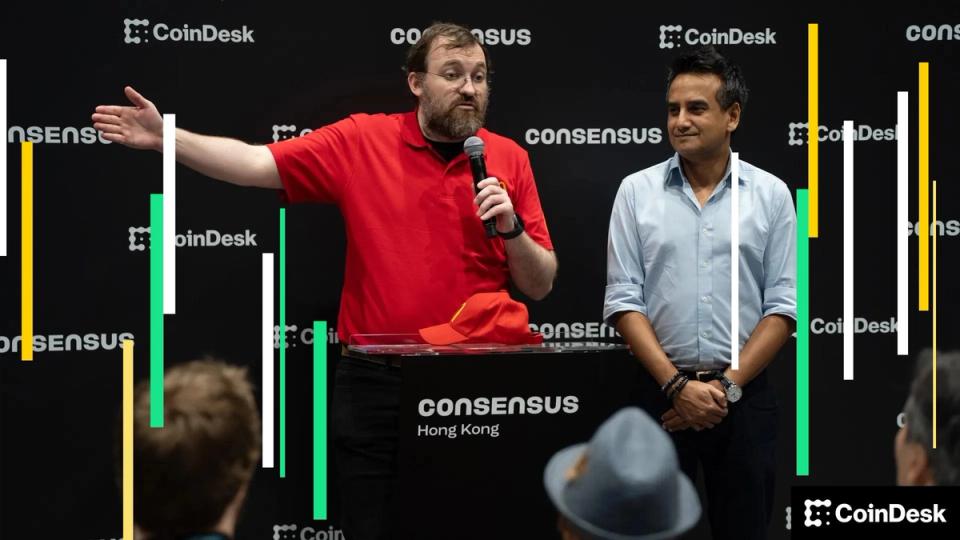
Charles Hoskinson officially launched Midnight on Monday, a privacy-focused blockchain project backed by a personal investment of $200 million. The Cardano founder argues that the industry spent over 10 years solving the wrong problems while failing to break into the real-world economy. This new network aims to address crypto's core usability and data-exposure flaws through a hybrid architecture.
According to an interview with Coindesk, Hoskinson stated that the biggest obstacle to mainstream adoption is not regulation or volatility, but usability. Current systems require users to navigate complex wallets and accept the risk of irreversible loss in a fully transparent environment. He believes the last mile for blockchain requires simplicity, privacy, and rules to function effectively.
Technical Architecture
Midnight introduces a system described as selective disclosure, allowing users to prove specific facts without revealing underlying personal data. Instead of handing over sensitive information, users can answer simple yes-or-no questions and verify them cryptographically. The network marks what Hoskinson called the fourth generation of blockchain, designed to support real-world applications at scale.
"The question I've been asking for eight years is: why didn't the revolution happen?" Hoskinson said.
The project utilizes a hybrid model where some data remains private while other elements can still be verified when necessary. This approach removes the traditional trade-off between public transparency and private security that has historically limited enterprise adoption. Businesses could run payroll systems on the blockchain without revealing employee salaries or financial positions.
Market and Funding
Unlike many crypto projects, Midnight was not built on venture capital but funded personally by the founder. The token distribution included one of the largest airdrops in the industry, reaching 37 million wallets across eight blockchains. Market data from CoinDesk shows the project briefly surpassed a $1 billion valuation and currently sits at roughly $776.2 million.
Midnight employs a dual-token system designed to separate speculation from network usage. A tradable token, NIGHT, is used for governance and security, while a second token, DUST, handles transaction fees. This distinction allows transaction costs to remain more predictable and opens the door for applications to cover fees on behalf of users.
Future Implications
Early use cases are already gaining traction with institutions like London-based Monument Bank. The bank recently announced plans to tokenize up to 250 million pounds in retail deposits on the new chain. This represents one of the first examples of a regulated bank bringing customer funds onto a public blockchain while maintaining regulatory protections.
For Hoskinson, the ultimate goal is invisibility, a future where users interact with blockchain without thinking about it. He stated that if the project succeeds, it is the thing that finally makes crypto work at scale. The rollout will take place in phases, starting with infrastructure and expanding to applications and governance.
Without these improvements, blockchain will remain locked out of the real world according to the founder. The network seeks to make crypto behave more like a simple modern app where users do not need to manage private keys. This shift could enable new types of applications that prioritize security and user abstraction.