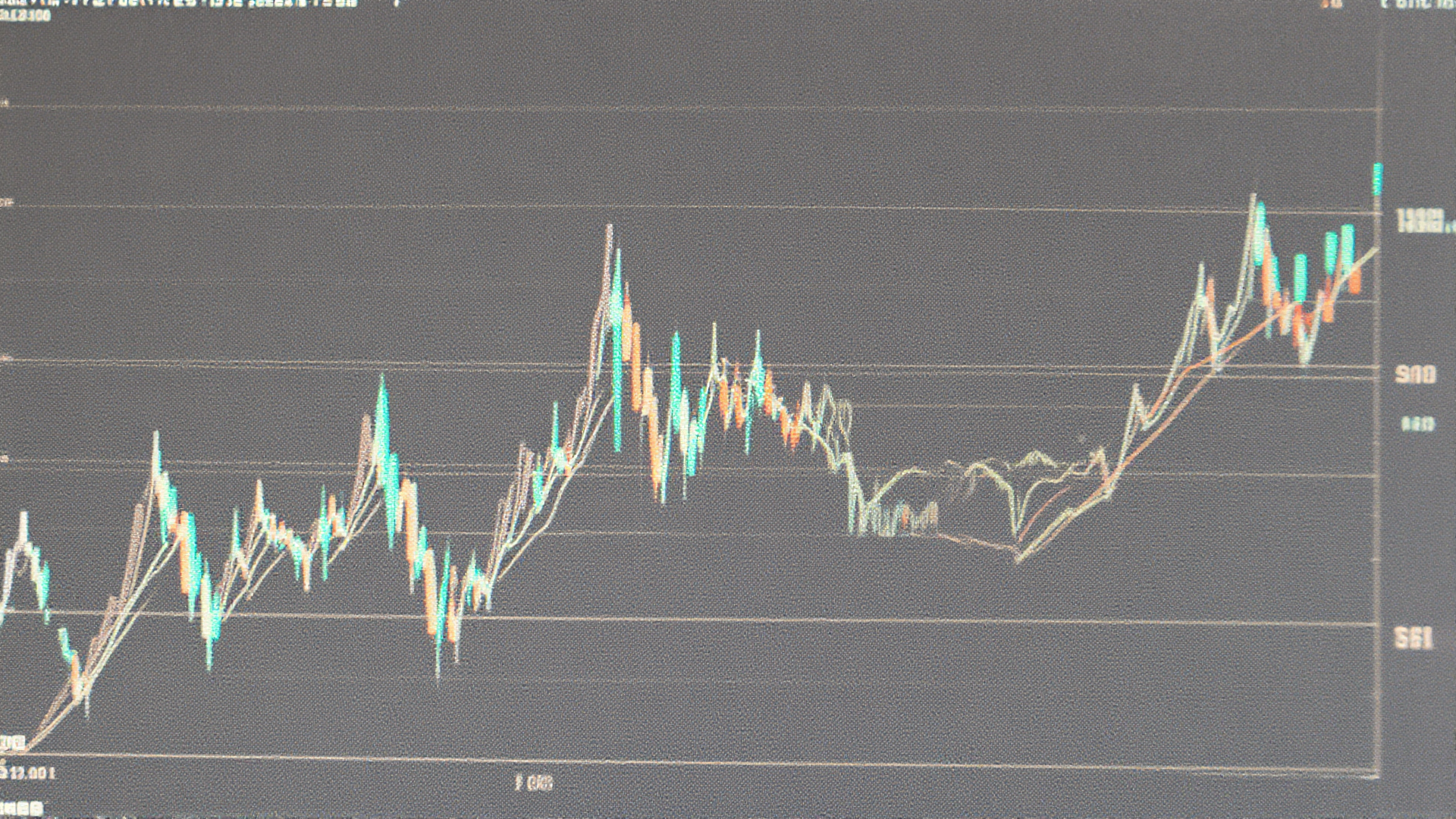
Crypto traders faced significant losses on Monday as Bitcoin experienced extreme volatility following conflicting geopolitical headlines. Over $400 million in positions were liquidated within a four-hour window as the market reacted to U.S. President Donald Trump and Iranian officials issuing contradictory statements. The event highlighted the fragility of margin-based trading markets during moments of rapid news dissemination.
Bitcoin surged from approximately $67,500 to above $71,200 after Trump posted on Truth Social regarding a pause on strikes against Iranian power plants. The asset subsequently shed roughly $1,200 in value within minutes after Iran denied any ongoing communication with the White House. CoinGlass data confirms $415 million in total liquidations occurred during this specific timeframe. Market participants witnessed a classic whipsaw scenario where direction changed faster than execution speeds.
Short positions accounted for $280 million of the total losses, while long positions lost $135 million according to market analytics. This nearly two-to-one ratio indicates that the market was heavily positioned for escalation when the initial post landed. Bitcoin alone contributed $140 million to the total liquidation figures during the session. The data suggests a significant imbalance in market sentiment prior to the conflicting reports.
Ether losses reached $120 million, while tokenized oil contracts on Hyperliquid wiped out $64 million. Tokenized gold and silver contracts also suffered losses totaling nearly $41 million combined. Traders on the XYZ:BRENTOIL contract faced significant downside as the majority of losses hit long positions expecting further conflict. Diversification across assets did not protect against the systemic risk introduced by the headline volatility.
The session reinforced warnings from Binance futures-to-spot data regarding the dominance of derivatives trading activity. When derivatives volume reaches five times the volume of spot trading, every headline gets amplified through liquidation cascades. Net price movements remain modest, but the damage to traders with high margin remains severe. This structural issue persists despite repeated volatility events in recent years.
A Wintermute trader noted that Bitcoin held above $70,000 but emphasized the uncertainty surrounding future price direction. The analyst stated that the next move hinges on whether tensions between the U.S. and Iran ease or spiral into further conflict. Oil prices and shipping stability through the Strait of Hormuz will likely influence the market trajectory. Institutional players are now closely monitoring potential escalation risks in the Middle East.
Altcoins including Ether, Solana, and Dogecoin rose about five% alongside the broader equity markets. Crypto-linked mining stocks rallied while the S&P 500 and Nasdaq each gained roughly 1.2%. This correlation suggests that macroeconomic factors continue to drive digital asset valuations alongside geopolitical news. Traditional financial markets remain a primary driver of sentiment for the broader cryptocurrency ecosystem.
Analysts suggest Bitcoin could test the $74,000 to $76,000 range if geopolitical risks stabilize. Conversely, worsening conditions could drag prices back toward the $60,000s. Market participants will watch for further official statements regarding the U.S.-Iran talks. Central bank policies and regional conflicts will likely continue to dictate short-term price action.
This volatility serves as a reminder of the risks associated with high margin during periods of geopolitical uncertainty. Traders must account for the speed at which news can reverse market sentiment on social media platforms. Regulatory bodies may scrutinize how these rapid cascades affect market stability in the future. The incident underscores the need for better risk management protocols in decentralized finance.