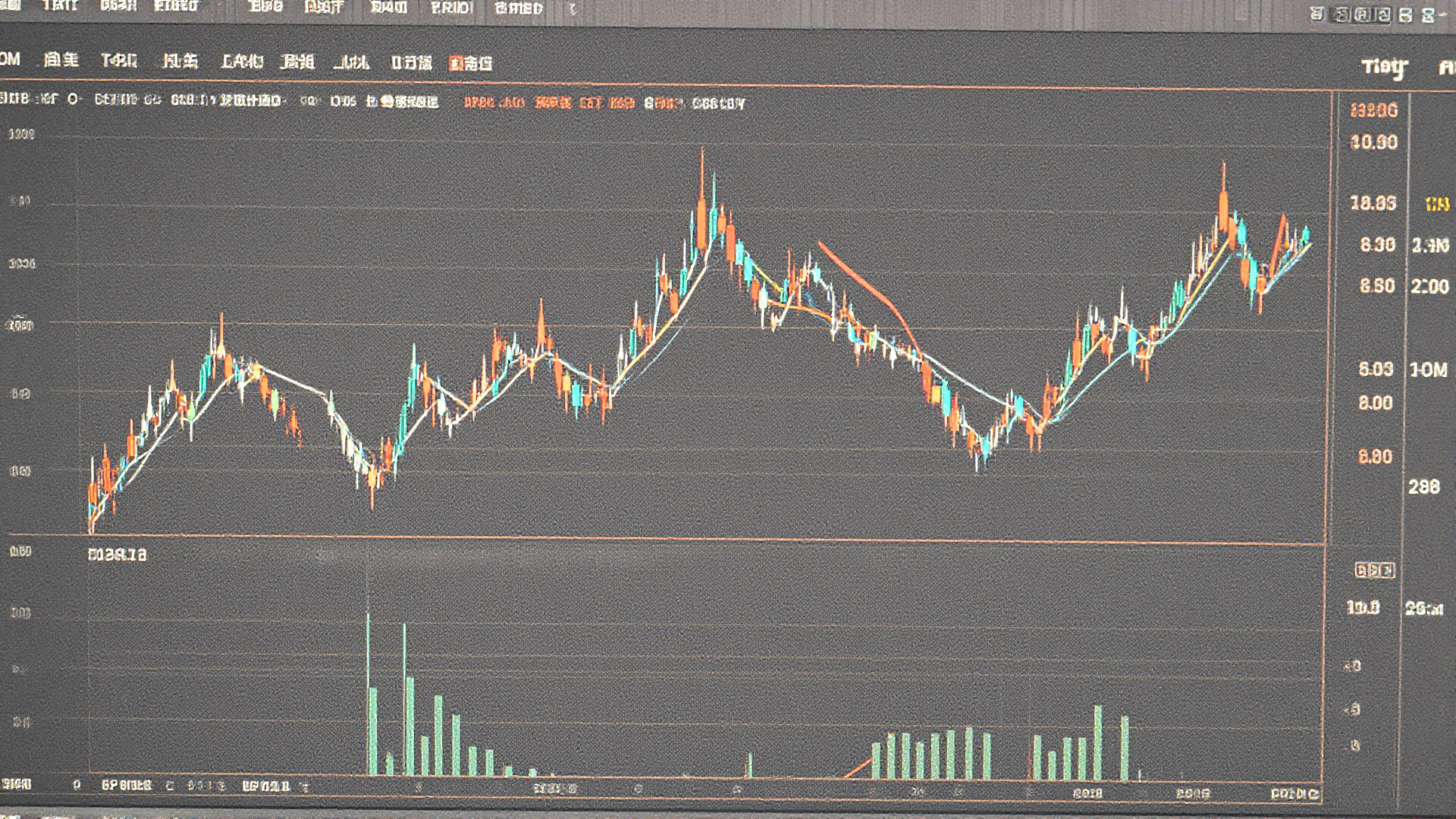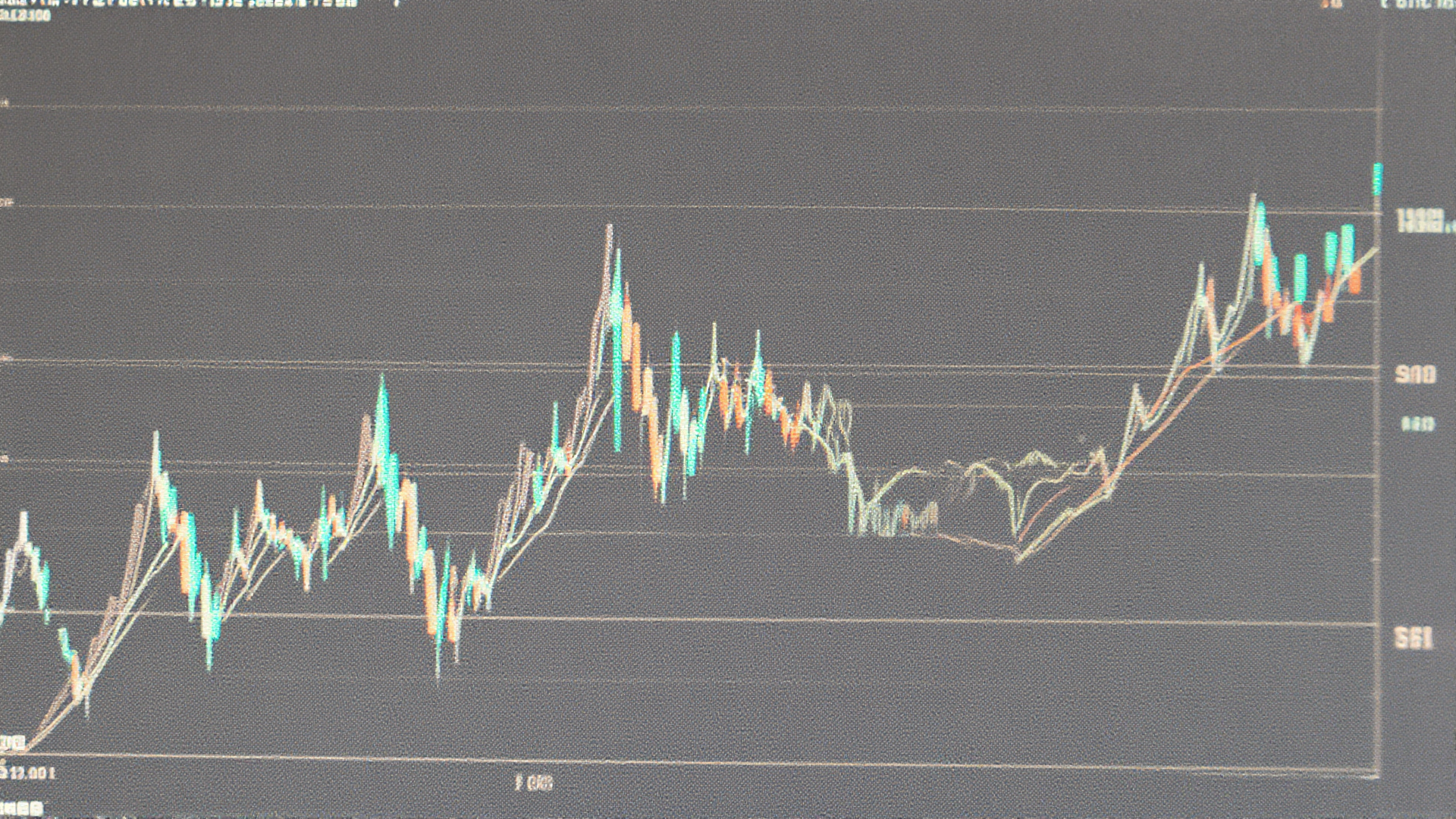
Bitcoin reclaimed the $72,000 mark on Tuesday, March 25, 2026, according to detailed price data released by Coindesk. The asset rose 1.2% after midnight UTC, mirroring gains observed in U.S. equity markets during the same session. This movement suggests a growing correlation between traditional finance and digital assets during the current trading period. The rally indicates renewed investor confidence despite ongoing geopolitical tensions affecting global markets.
Nasdaq 100 futures increased by 1% over the same period, indicating broader risk appetite among institutional investors. The advance follows oil prices retreating below 100 dollars per barrel on Tuesday following news reports. Market participants reacted to geopolitical news that potentially alters energy supply dynamics in the Middle East region. Such fluctuations often drive capital flows into alternative asset classes like cryptocurrencies.
U.S. President Donald Trump proposed a 15 point plan to end the war in Iran during a recent televised statement. Iranian officials subsequently dismissed the proposal as fake news, complicating the diplomatic narrative significantly. Energy markets nonetheless responded to the initial announcement with reduced prices before the dismissal. This volatility highlights the sensitivity of commodities to political rhetoric and potential policy shifts.
The crypto market remains resilient to the conflict, showing consistent outperformance of traditional haven assets over recent weeks. Gold and silver have trailed digital assets since early February, according to comprehensive market analysis. This trend highlights a growing preference for decentralized technology over conventional store-of-value instruments among traders. Institutional adoption continues to drive demand despite macroeconomic uncertainty facing the global economy.
Bitcoin has forayed above 72,000 dollars twice this month, each time followed by a significant selloff in price action. Prices corrected to between 65,000 and 67,000 dollars during those previous instances as traders took profits. Market observers are now watching for a similar pattern as volatility increases near the current resistance level. Technical analysts note that repeated rejections often signal a need for deeper consolidation before further upside.
Market data shows traders are opening short positions in this region, resulting in a disproportionate increase in open interest metrics. High leverage often signals potential instability in price action for the coming days and weeks ahead. Analysts warn that excessive positioning can lead to rapid liquidation events if support levels fail. Retail and institutional participation both contribute to the high volume of derivative contracts currently active.
Portions of the altcoin market are outperforming bitcoin, with decentralized finance tokens showing significant strength recently. LDO and ETHFI rose by between 2.5% and 3.5% since midnight UTC according to trading volume reports. Investors appear to be rotating capital into specific sectors within the ecosystem that offer higher yield potential. This rotation suggests a search for alpha in a market where Bitcoin dominance is fluctuating.
Regulatory news also impacted the broader landscape, as the latest draft of the CLARITY Act hit stocks and crypto sectors. One analyst says the bill could ultimately shift bargaining power toward Circle and away from Coinbase significantly. This legislative development raises questions about the competitive positioning of major industry players in the United States. Compliance costs may rise for exchanges that handle large volumes of stablecoin transactions daily.
The potential shift in power dynamics underscores the increasing influence of regulation on market structure and operations. Stablecoin issuers face new compliance requirements that could affect their operational strategies and liquidity pools. Financial institutions must adapt to a changing regulatory environment to maintain growth and market share. The intersection of policy and technology will likely define the next phase of industry evolution.
Investors are advised to monitor leverage metrics closely for signals of future market direction and potential corrections. Continued volatility may test the resolve of long-term holders in the coming weeks and months ahead. The interplay between geopolitics, regulation, and price action will define the next phase of the asset class. Watching how these factors converge will provide clarity on the sustainability of current price levels.