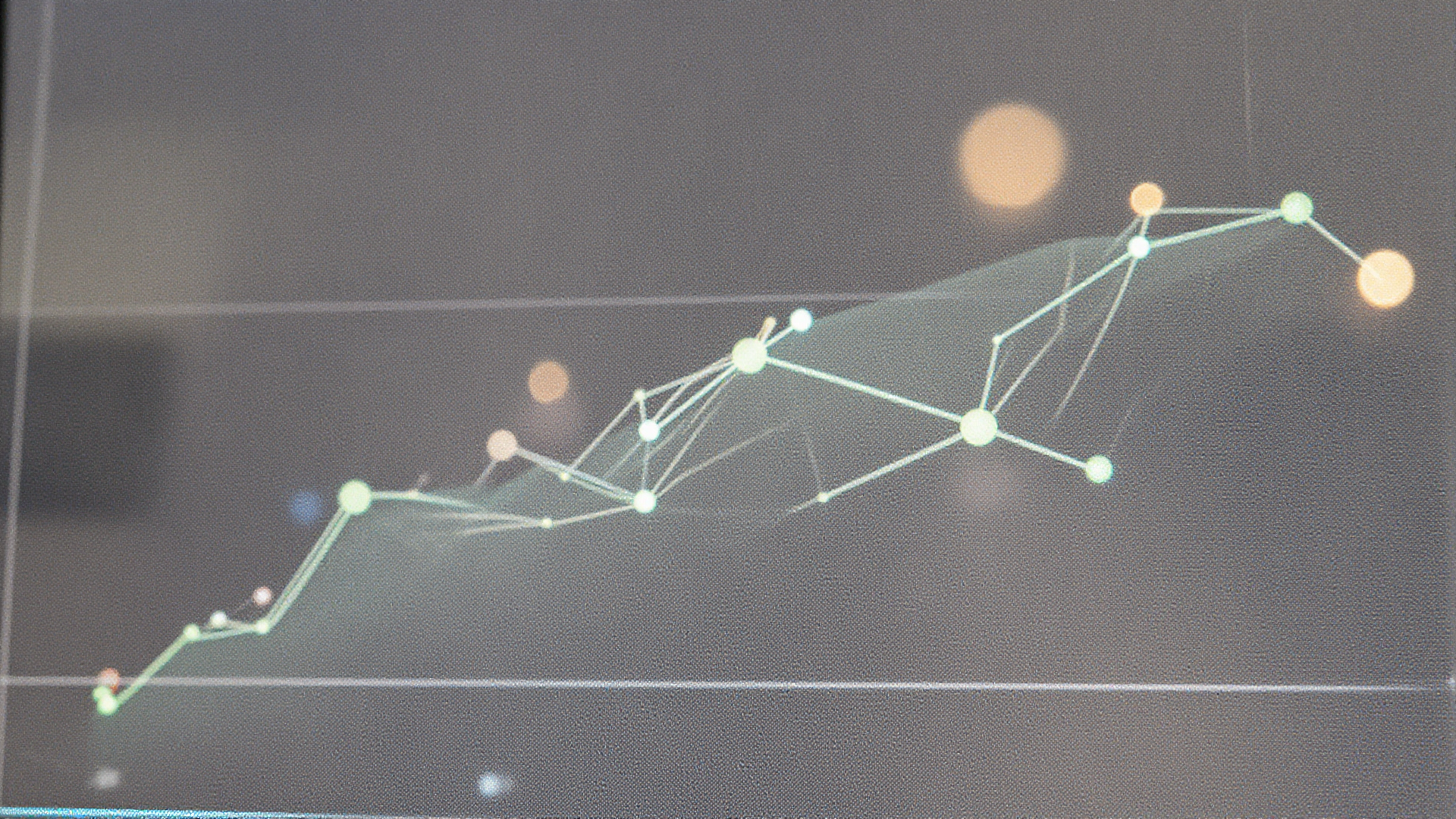
Bitcoin reached a new local high of 71,000 on Tuesday, marking a significant four percent gain within a single trading session. This rally occurred despite escalating tensions in the Middle East and weakness in major U.S. equity futures. Market data indicates that over 550 million in short positions were liquidated during the Asian trading hours, fueling the upward momentum.
The cryptocurrency market demonstrated resilience by outperforming gold, a traditional safe-haven asset usually favored during geopolitical conflict. U.S. Nasdaq 100 futures and S&P 500 futures both declined by approximately 0.1 percent since midnight, contrasting sharply with digital asset performance. Analysts note that Bitcoin has maintained this outperformance since the onset of the war in the region, signaling a shift in investor behavior.
Derivatives data reveals that the current price increase is not driven by new leveraged participation, as open interest has actually declined. Open interest in major USD- and USDT-denominated futures dropped to 228,000 BTC from 229,000 BTC, suggesting a squeeze rather than fresh buying pressure. This pattern was also observed in Ethereum, XRP, and Solana markets, where leveraged bets faced liquidation without significant new capital inflow.
Geopolitical instability remains the primary driver for market volatility, following fresh strikes in Tel Aviv and Lebanon on Tuesday. U.S. President Donald Trump stated that a 48-hour ultimatum regarding the Strait of Hormuz was paused after productive peace talks with Iran. However, Iranian officials dismissed the diplomatic progress as fake news, keeping oil prices stable around 100 per barrel.
Alternative cryptocurrencies showed relative strength compared to Bitcoin, with the altcoin-heavy CoinDesk 80 Index rising by more than one percent. Traders rotated into speculative assets like HYPE, OP, and CRV, which all gained approximately three percent amid anticipation of a wider market breakout. This divergence indicates improving sentiment among the broader altcoin sector despite the dominance of Bitcoin in the headline figures.
Significant concerns persist regarding the decentralized finance industry, which one market watcher described as entering a really dark period. Balancer Labs recently shut down operations, and the Resolv stablecoin project suffered a hack, creating uncertainty for yield-seekers. Additional criticism highlights the lack of yield opportunities coupled with the inherent risks associated with using DeFi protocols in the current environment.
The memecoin sector struggled to keep pace, with the CoinDesk Memecoin Index rising just 0.1 percent while several components lost between three percent and five percent. In contrast to the broader market gains, speculative tokens faced selling pressure as liquidity rotated towards established assets. This performance gap suggests that retail enthusiasm for high-risk assets remains dampened despite the overall market recovery.
Regulatory developments further complicated the landscape, causing Circle stock to plunge 18 percent following news of the U.S. Clarity Act. The proposed legislation would bar rewards on passive stablecoin balances, threatening a key incentive that fueled USDC adoption. Coinbase also saw shares drop about eight percent, reflecting investor anxiety over potential restrictions on stablecoin yield structures.
Looking ahead, market participants will monitor whether the decline in open interest prevents a deeper correction or supports further gains. The narrowing volatility premium on put options versus calls suggests a shift in hedging strategies among institutional traders. Investors should watch for confirmation of whether the geopolitical situation stabilizes or if fresh strikes trigger renewed volatility across the crypto ecosystem.