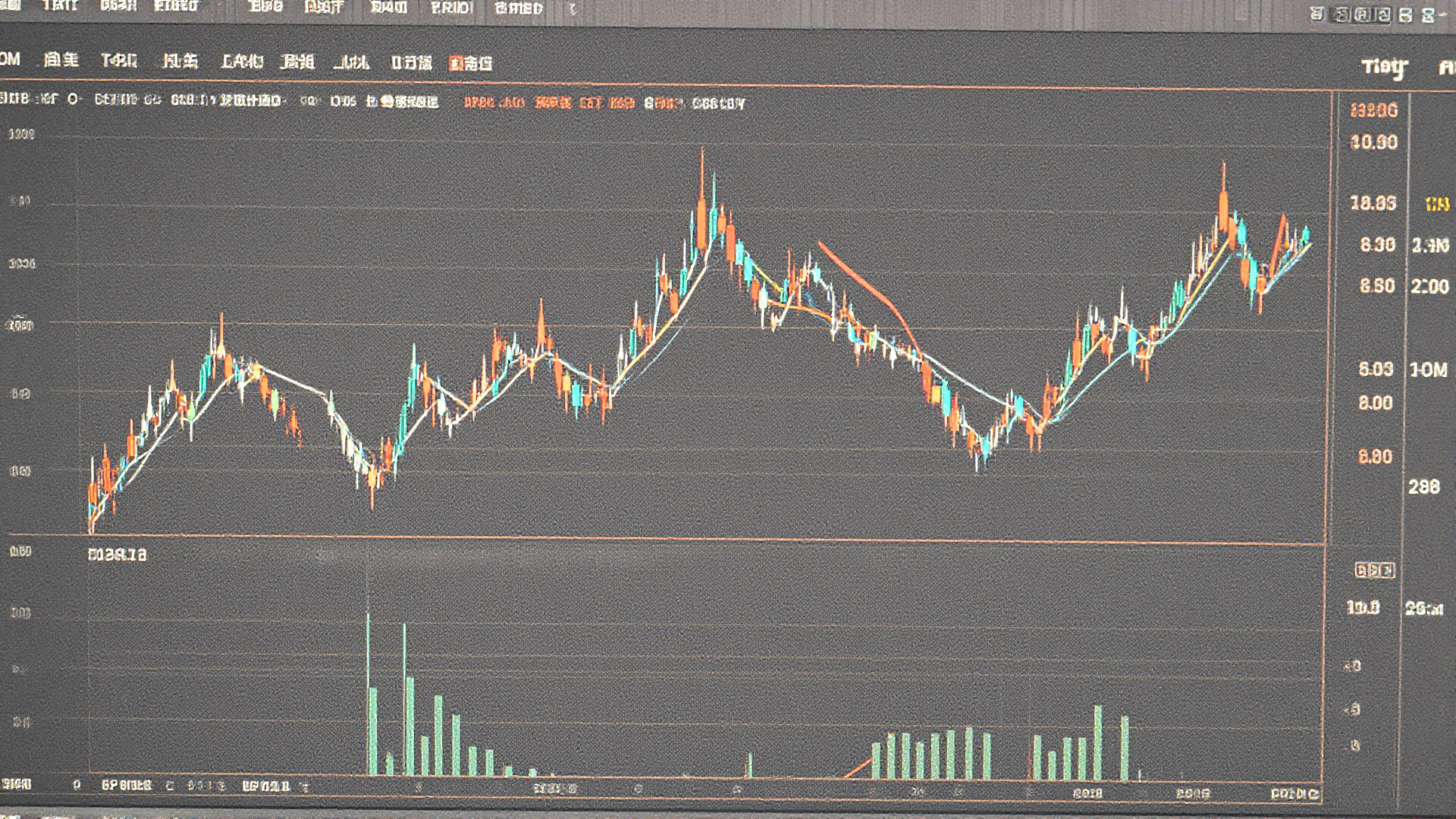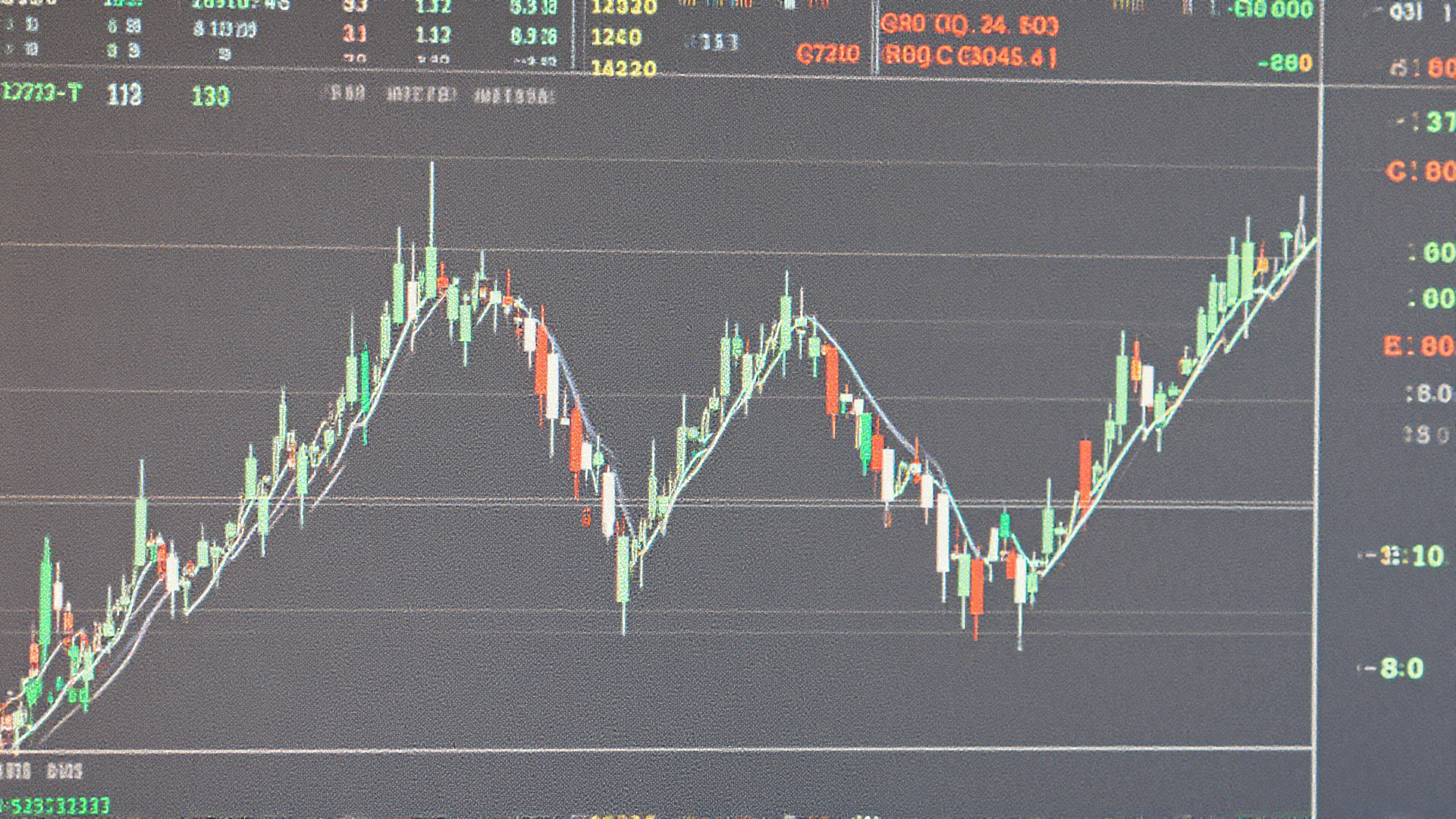
According to Coindesk, Bitcoin prices retreated to $68,250 on Monday, triggering approximately $400 million in liquidations across major global exchanges. The sell-off followed heightened geopolitical tensions after U.S. President Donald Trump threatened military action against Iran regarding the Strait of Hormuz. Market participants now scrutinize whether this dip represents a temporary correction or a deeper structural shift in the asset class.
Trading data shows the cryptocurrency returned to levels seen in early February after several attempts to breach the $75,000 mark failed. Analysts note that the current price action suggests sellers remain dominant despite previous bullish momentum within the sector. This consolidation phase indicates a significant lack of organic buying pressure at higher valuations for the digital asset.
The primary catalyst for the weekend volatility involved specific threats regarding the strategic importance of the Strait of Hormuz. President Trump demanded the region open within 48 hours or face destruction of power plants located in the country. Such statements often trigger risk-off behavior in global markets, including digital asset classes that correlate with uncertainty.
A CME gap has formed between Friday settlement and Sunday evening trading prices on the Chicago Mercantile Exchange. Futures contracts will likely seek to fill this void if the asset recovers to $70,000 on Monday morning trading sessions. Traders closely monitor this level as a key support zone for institutional sentiment and price discovery.
Traditional safe-haven assets like gold and silver also declined during the same period alongside the cryptocurrency correction. January record highs appear to have been driven by speculative mania rather than genuine hedging demand from investors. Conversely, the Dollar Index climbed above 100, supported by persistent inflation concerns that dampen growth prospects.
Federal Reserve officials have paused their interest-rate-cutting cycle, bolstering the real value of the dollar significantly. This monetary stance reduces the attractiveness of yield-bearing assets relative to cash holdings for conservative investors. Consequently, liquidity has tightened across various risk categories in the broader global economy.
Decentralized finance tokens underperformed bitcoin since midnight UTC according to market data aggregation services. Tokens such as ETHFI, HYPE, and SKY lost approximately three % while the flagship currency recovered slightly from the lows. This divergence highlights a rotation of capital back into established assets during periods of high uncertainty.
MicroStrategy continues to expand its capital-raising plans to acquire more bitcoin for its corporate treasury. The company reportedly brings potential buying power back to $42 billion through expanded share issuance programs. New Wall Street partners are facilitating this influx of institutional liquidity into the market.
The contrast between institutional accumulation and retail liquidations remains stark during this specific market phase. Large holders appear to view the price drop as an entry opportunity rather than a signal to exit the market. This behavior mirrors historical patterns seen during previous market corrections over the last decade.
Investors will watch how the Monday session unfolds for signs of sustained momentum and volume growth. A break above $70,000 could stabilize the market and invite further participation from cautious buyers. Until then, volatility is expected to remain elevated due to external macroeconomic factors and geopolitical events.