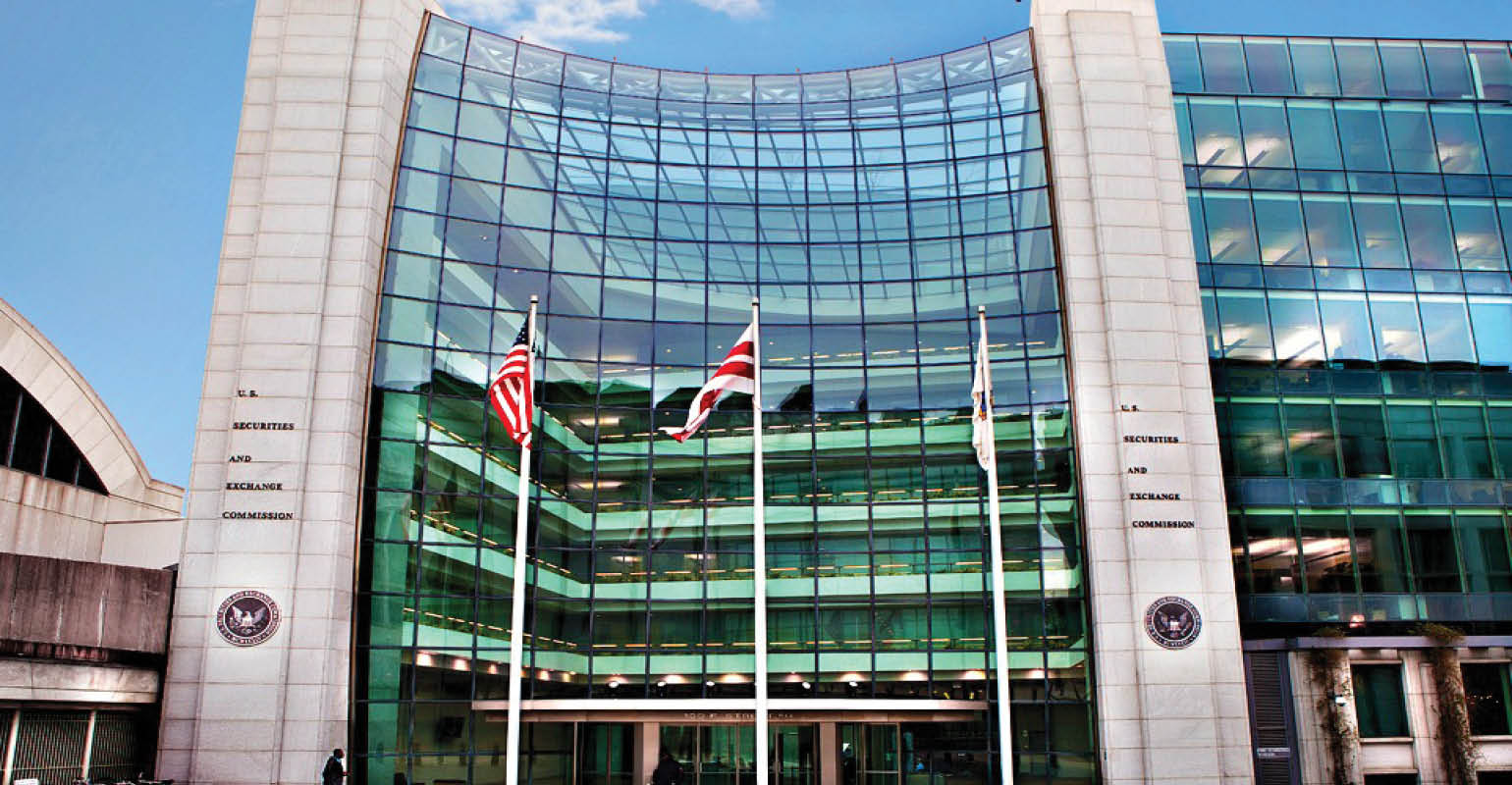
A Key Step Toward Regulatory Transparency
This Tuesday, the U.S. Securities and Exchange Commission (SEC) and the Commodity Futures Trading Commission (CFTC) jointly released a major guidance document aimed at clarifying how federal securities laws apply to the crypto asset sector. This marks a substantive first step for U.S. regulators in building a clear and unified regulatory framework for crypto assets.
SEC Chair Paul S. Atkins stated clearly in the announcement: "Most crypto assets themselves do not constitute securities." This statement is viewed by the industry as a significant response to long-standing regulatory uncertainty, providing market participants with clearer expectations for compliance.
Establishing a Crypto Asset Taxonomy
The newly released guidance introduces a brand-new "token taxonomy" designed to define and distinguish between crypto assets based on their intended use. According to the guidance, regulators define assets that are "functional" and whose value is derived from the programmatic operation of a system as "digital commodities."
The list includes Bitcoin, Ethereum, Solana, Cardano, XRP, Avalanche, Aptos, Chainlink, Polkadot, Stellar, Tezos, and various mainstream tokens (such as Dogecoin and Shiba Inu). Additionally, the guidance provides clear definitions for digital collectibles (such as NFTs), stablecoins, digital tools, and digital securities (such as tokenized real-world assets and stocks).
David Pakman, Managing Partner at CoinFund, stated in an interview with Sherwood News that this is a milestone in the industry's mainstreaming process. He noted: "This guidance will allow designers of new tokens to innovate with greater confidence, without the fear that their very existence violates SEC registration requirements."
Market Reaction and Legislative Progress
Despite the improvement in regulatory transparency, market performance has been somewhat conflicted. According to data from CoinGecko, the total market capitalization of the cryptocurrency industry shrank by approximately 2% in the 24 hours following the release of the guidance, with many of the tokens mentioned in the document seeing a slight pullback in price. Market analysts believe this may reflect a "wait-and-see" sentiment among investors during the initial phase of regulatory clarification.
It is worth noting that this joint regulatory action complements related legislative efforts in the U.S. Congress. The CLARITY Act, which aims to provide legal support for the issuance and sale of digital commodities, was passed by the House of Representatives last year and is currently awaiting consideration in the Senate. With the coordinated efforts of regulatory and legislative bodies, the crypto asset market is gradually entering a new era of greater regulation and rule of law.