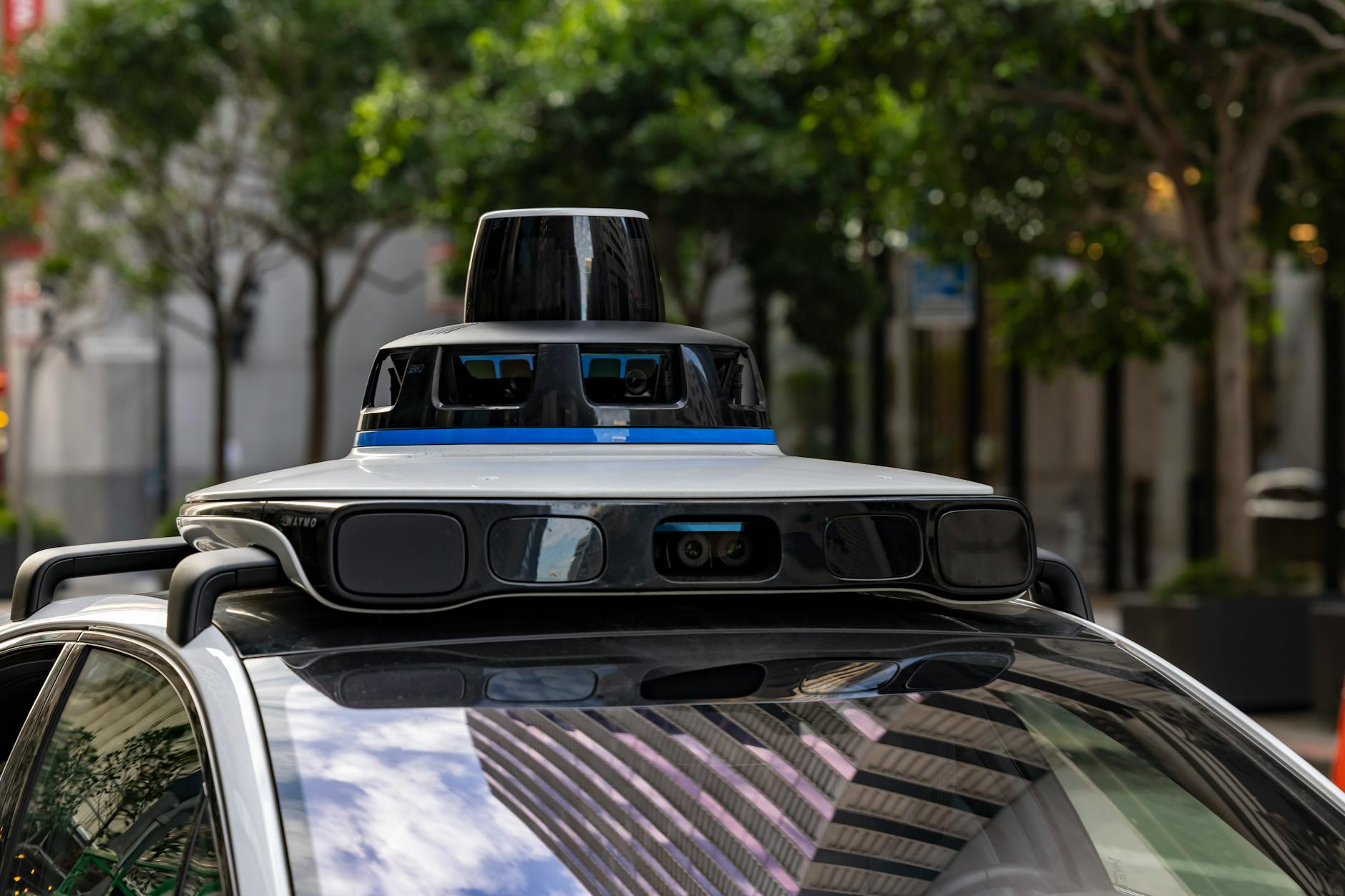
Waymo has begun testing its self-driving software on the streets of London, utilizing trained specialists to monitor the vehicles during the rollout. The Alphabet-owned company is moving toward a fully driverless ride-hailing service by gradually increasing the system's control.
The testing phase follows an initial period that began in October, during which human drivers remained in full control. According to theregister.com, the company used this time to teach its software how to navigate a city where "road rules [are treated] more like suggestions."
While the software now actively handles driving tasks, a trained operator remains in the vehicle to intervene if necessary. This transition serves as a precursor to a commercial robotaxi launch in the UK.
Navigating complex urban environments
London presents a unique challenge compared to the wide, predictable roads found in US deployment sites like Phoenix and San Francisco. The city's infrastructure features cramped streets, unpredictable junctions, and high volumes of cyclists and pedestrians.
Waymo is currently in a learning phase, using the London deployment to map streets and collect data. The company feeds this information back into its systems to run simulations that replay both routine and critical driving scenarios. The goal is to develop a model capable of managing road users who do not strictly follow traffic laws.
Beyond the technical challenges, Waymo is preparing the operational groundwork for a permanent presence. The company is building a local team and arranging partners to support UK operations, including the establishment of service hubs across the city.
Regulatory hurdles also remain a factor in the rollout. The UK government is still determining the framework for allowing fully autonomous vehicles on public roads. By progressing with testing now, Waymo is positioning itself to lead the market once official regulations are finalized, according to theregister.com.