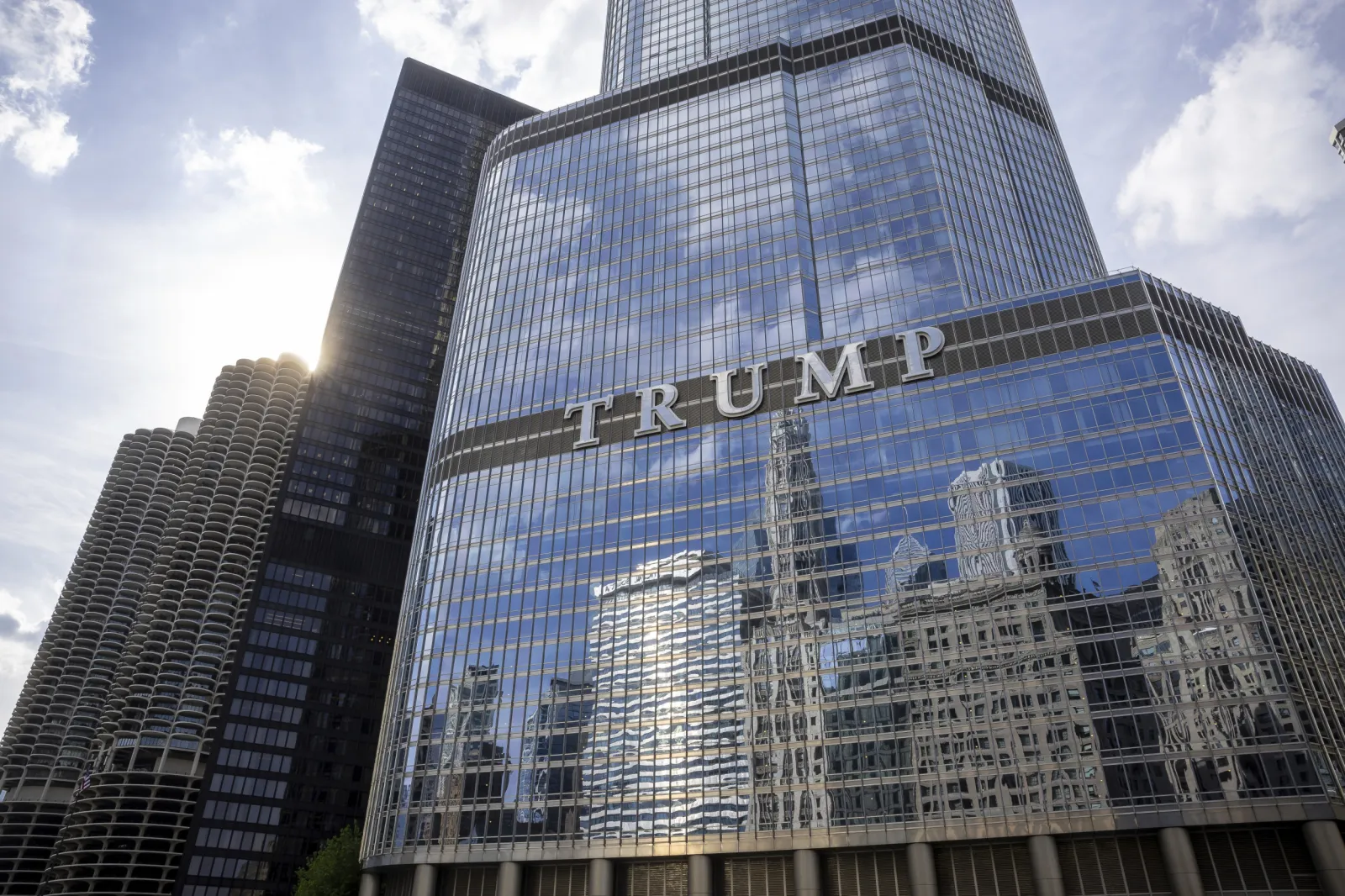
The Trump family’s recent flurry of commercial activity is drawing sharp scrutiny from ethics watchdogs and political observers. Critics argue that the aggressive expansion of the Trump Organization’s business interests—ranging from cryptocurrency ventures to international real estate deals—creates a precedent that could allow future U.S. presidents to profit directly from their time in the White House.
Legal experts point out that while the Constitution’s emoluments clauses were designed to prevent foreign influence, the current business model employed by the Trump family tests the boundaries of those protections. By involving family members in high-stakes financial agreements, the administration has effectively blurred the lines between statecraft and private enterprise.
A New Era of Presidential Profit
Recent reports indicate that Eric Trump has been instrumental in spearheading several of these new initiatives. Observers note that these deals often involve partners who have a vested interest in federal policy, creating an inherent conflict of interest that previous administrations largely avoided through the use of blind trusts.
"The concern is not just about the money being made today," said one government ethics analyst. "It is about the structural damage being done to the office of the presidency, where personal enrichment becomes a standard byproduct of executive power."
Supporters of the Trump family argue that their business activities are separate from official duties and that they are simply continuing to operate as private citizens. They maintain that the transactions are legitimate market activities and should not be viewed through a political lens.
However, the lack of transparency regarding these deals has fueled skepticism. Without a formal separation between the family's financial portfolio and government decision-making, the risk of quid-pro-quo arrangements remains a primary point of contention.
As the administration navigates a complex geopolitical landscape, including ongoing tensions in the Middle East, the intersection of business and politics remains a focal point for those monitoring the integrity of the executive branch. The current trend suggests that without legislative intervention, the financial entanglements of the first family will continue to shape public discourse for the remainder of the term.