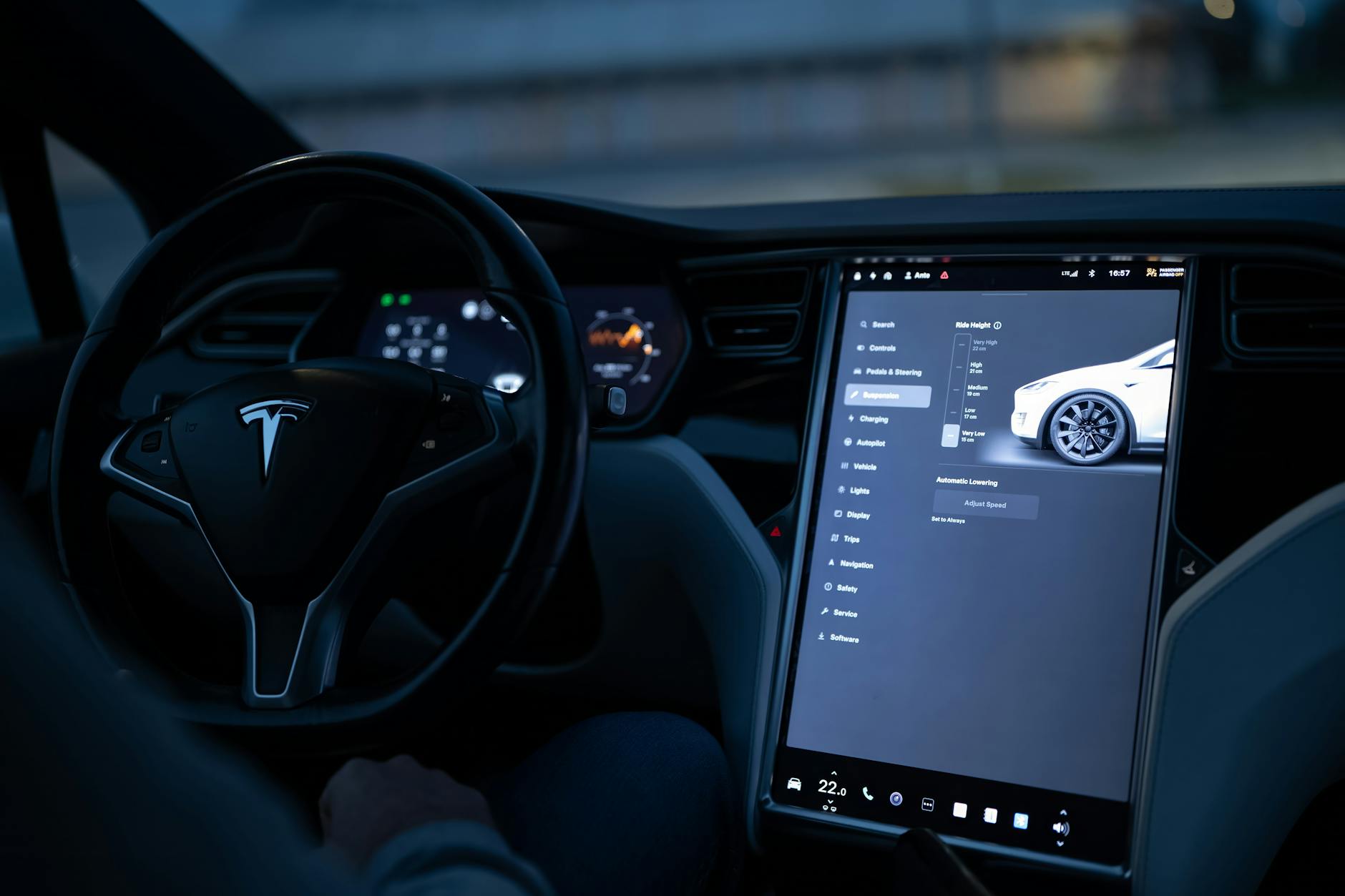
Tesla has reached a major milestone in its autonomous driving development, with its fleet of vehicles using the Full Self-Disriving (Supervised) system surpassing 10 billion miles driven, according to a report from The Verge.
This figure matches a specific threshold previously set by CEO Elon Musk. In January, Musk stated on X that "roughly 10 billion miles of training data is needed to achieve safe unsupervised self-driving."
Despite hitting this mileage target, Tesla has not transitioned its software to an unsupervised mode. The current FSD (Supervised) remains a Level 2 system. This classification requires a human driver to remain fully attentive and ready to take control of the vehicle at any moment.
Liability and regulatory uncertainty
The transition to unsupervised driving presents significant legal hurdles for the company. The Verge reports that Tesla's current terms of service place the responsibility for accidents on the vehicle owner.
This differs from competitors like Waymo, which assumes liability for crashes because the company owns both the technology and the autonomous fleet. Tesla's model relies on the characterization of FSD as a supervised system where the human driver is the primary operator.
If Tesla were to enable unsupervised driving, the company would face new questions regarding who assumes responsibility for crashes. The outlet notes that it is currently unclear if Tesla has developed a framework to handle the legal consequences of an unsupervised fleet.