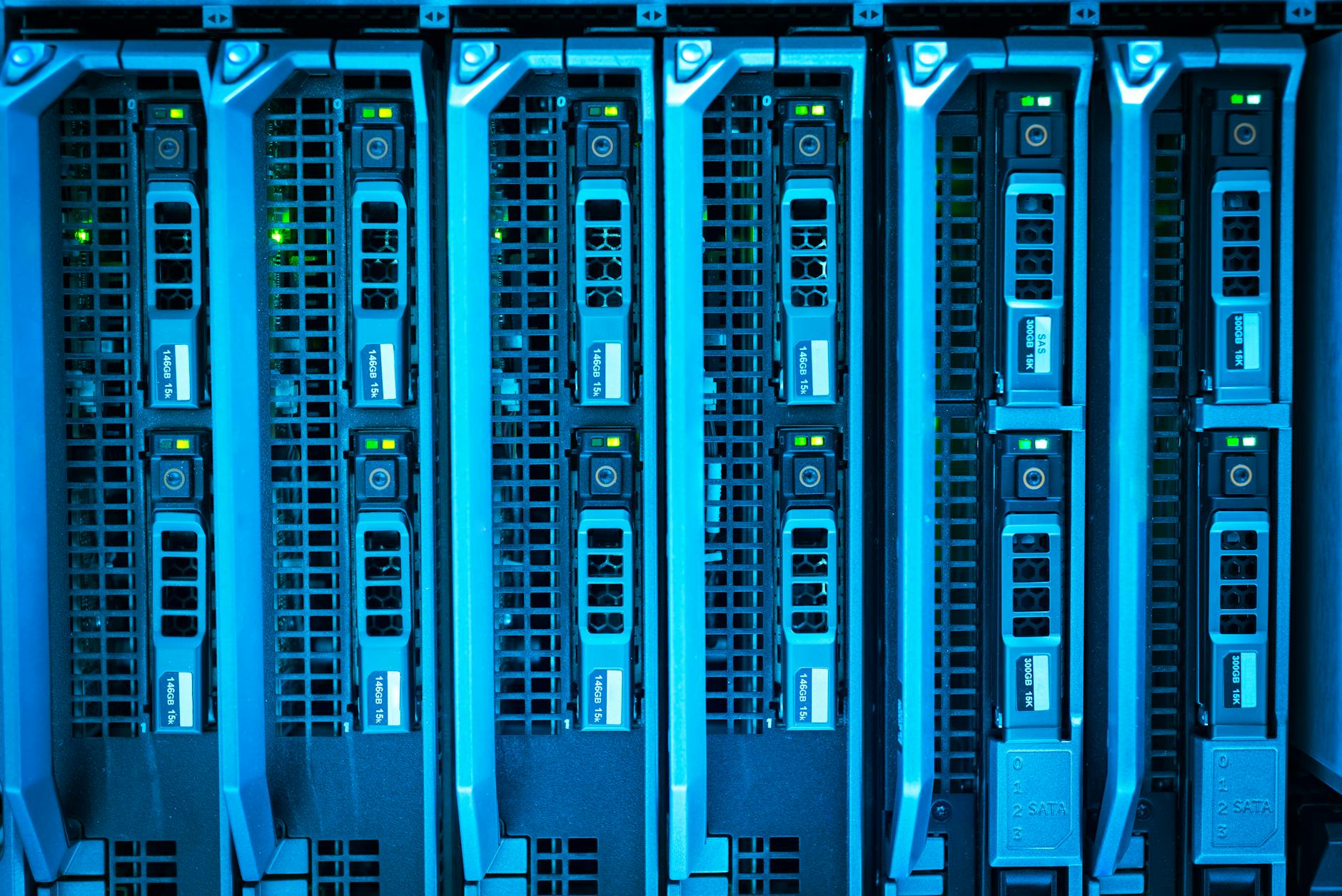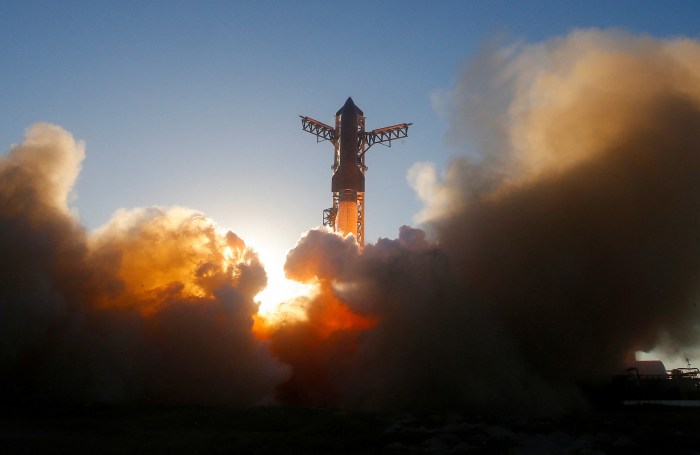
SpaceX has officially submitted confidential paperwork for an initial public offering. According to the filings, the space exploration giant led by Elon Musk is seeking to raise $75 billion to support a staggering $1.75 trillion market valuation. As a pivotal component of this financing plan, Musk has explicitly identified "orbital data centers" as the company’s primary engine for future growth.
On a recent episode of the TechCrunch "Equity" podcast, industry observers took a deep dive into Musk’s strategic pivot. While the concept of orbital data centers faces immense technical hurdles and capital expenditure requirements, analysts note that company leadership is leveraging this frontier technology to justify its sky-high valuation.
Sidestepping Ground-Based Resistance
Beyond the physical challenges posed by orbital mechanics and complex engineering, the pressure of securing sites for terrestrial data centers is becoming impossible to ignore. TechCrunch reporter Sean O’Kane noted on the podcast that as global opposition to data center construction intensifies, tech titans like Musk and Jeff Bezos are increasingly turning their gaze toward space.
"For these executives, they may well believe that the engineering challenges of building in orbit are far less daunting than navigating the complex social and environmental pushback on Earth," O’Kane remarked during the discussion.
Currently, SpaceX is working to integrate its mature Starlink satellite network with data center operations. Although physicist Tim Fernholz has previously detailed the severe economic constraints of orbital AI computing, several companies remain deeply interested in the sector. SpaceX is leveraging its high launch frequency and existing Starlink infrastructure to secure a first-mover advantage in this emerging market.
While a specific technical roadmap has yet to be fully disclosed, market analysts generally agree that SpaceX’s success in convincing investors will hinge on its ability to prove that the operational costs of deploying servers in space are lower than the costs of battling regulatory hurdles and environmental protests on Earth. As the IPO process moves forward, the market will be watching closely to see how the company allocates this $75 billion windfall and how quickly it scales its orbital infrastructure.