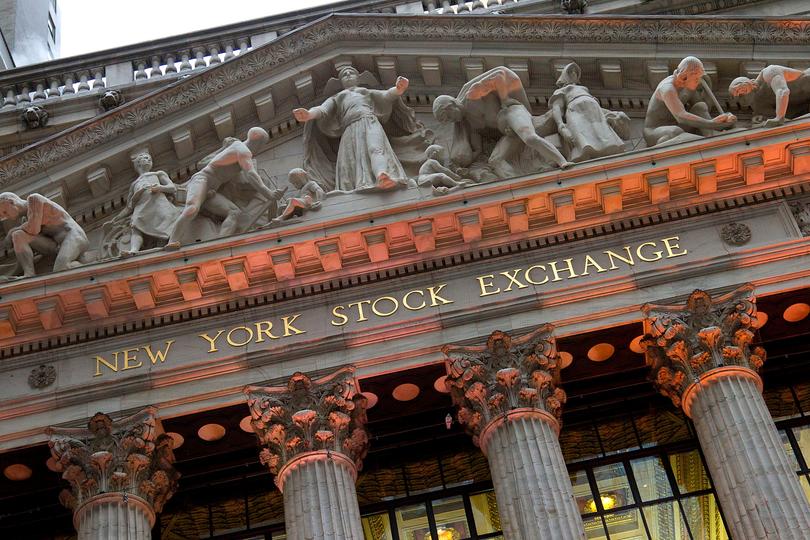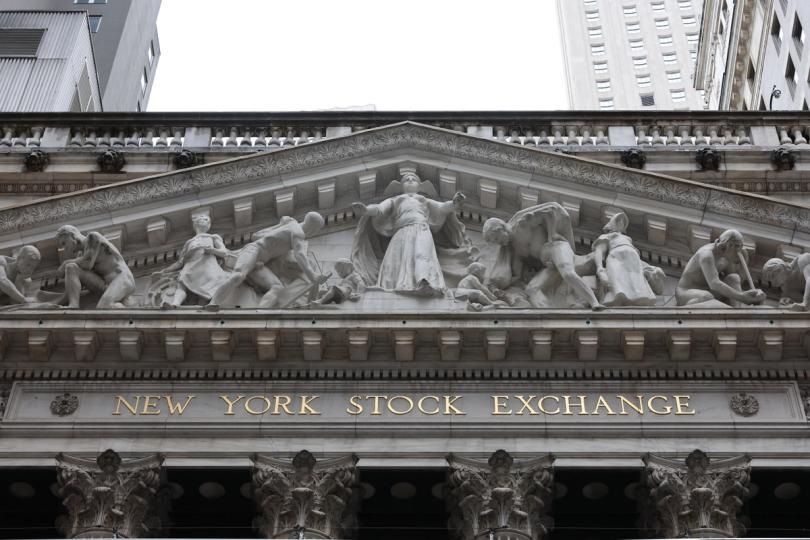
The New York Stock Exchange announced a strategic initiative to integrate blockchain technology into its existing market infrastructure without replacing traditional systems. Chief product officer Jon Herrick stated this approach preserves current systems while adopting distributed ledger capabilities for specific use cases. The announcement occurred during a keynote address at the Digital Asset Summit in New York on Thursday. This strategy prioritizes interoperability over a complete overhaul of traditional financial mechanisms that have served the industry for decades.
Herrick emphasized that the exchange is building on top of established frameworks rather than discarding them entirely to ensure stability. He described a model where traditional finance and blockchain systems merge over time instead of competing against one another for dominance. The goal is to maintain the inherent benefits of the current market structure while enhancing efficiency through new technology. This balance reflects a cautious evolution rather than a disruptive transformation of Wall Street financial operations.
According to Herrick, preserving elements like regulation, clearing systems, and investor protections remains critical for market integrity. He argued that the inherent good things of the market must be mindful of during technological integration to avoid unintended consequences. The executive noted that one side of the financial equation is not necessarily more right than the other in this context. Both systems should ideally come together to create a more robust financial environment for all participants.
The exchange is exploring specific use cases such as real-time or near real-time settlement for high-value transactions. Extended trading hours represent another potential benefit of implementing tokenized assets within current systems for global access. Advocates of tokenization argue the model enables faster settlement and broader global access to markets previously restricted by time zones. The NYSE is actively testing these functionalities to determine their viability within the existing regulatory framework.
The Intercontinental Exchange, the parent company of the NYSE, recently made a strategic investment in crypto exchange OKX to facilitate this transition. This deal involves licensing OKX spot crypto prices for crypto futures products while offering tokenized equities to its customers in the U.S. Such moves indicate a broader trend of traditional financial institutions engaging with cryptocurrency infrastructure to stay competitive. It signals a willingness to bridge the gap between legacy finance and digital asset markets effectively.
Herrick cautioned that existing systems offer efficiencies that may not be easily replaced by blockchain technology alone in the short term. Centralized clearing helps reduce risk by netting transactions across market participants effectively to minimize systemic exposure. He acknowledged that these established mechanisms provide a level of stability that new systems must match before widespread adoption. Replacing them overnight could introduce unnecessary risks to the broader financial ecosystem and investor confidence.
Despite current caution, Herrick predicted that the distinction between traditional and tokenized assets could largely disappear over the coming years. He suggested that over the next decade whether a security is tokenized or not should not matter to investors or regulators. This long-term view suggests a gradual convergence of asset classes rather than immediate separation of digital and physical securities. The focus remains on seamless integration that benefits all market participants equally without confusion.
For now, the exchange’s strategy suggests a slower, more incremental path forward for technology adoption within the financial sector. Introducing blockchain technology gradually into the existing financial system avoids reshaping it overnight which could cause instability. This approach allows regulators and market participants to adapt to changes without significant disruption to daily operations. It reflects a pragmatic view of technological evolution in highly regulated industries like banking and securities.
Other exchanges, asset managers, and banks are also testing tokenization to understand its potential impact on the global economy. The NYSE approach aligns with a broader industry stance on market evolution and infrastructure development across major financial hubs. As stablecoins evolve into core financial infrastructure, North America leads in regulatory frameworks and institutional distribution of assets. This context highlights the competitive pressure to adopt new technologies without compromising safety or compliance standards.
The broader implications involve how financial markets will function as tokenization becomes more prevalent in the next ten years. Investors will likely see fewer distinctions between traditional securities and their digital counterparts as the technology matures. Watch for further announcements regarding settlement times and trading hours as the technology matures and regulations evolve. The next decade will determine if this hybrid model becomes the standard for global finance and asset management.