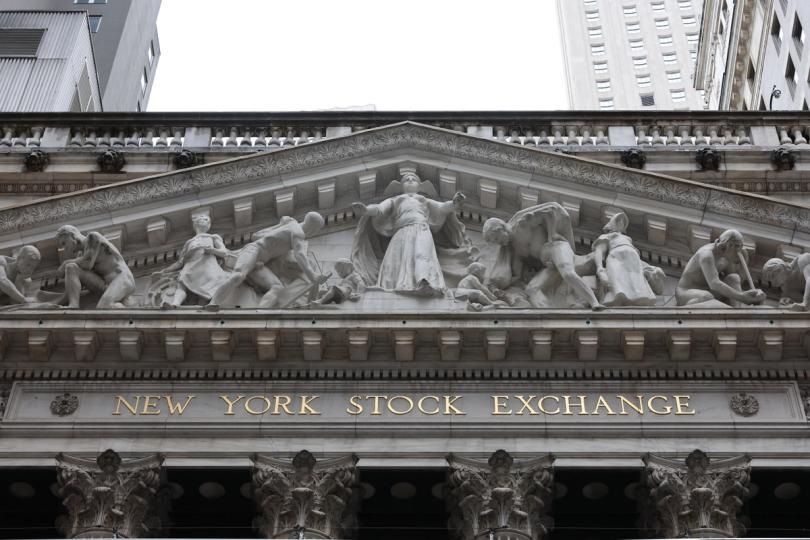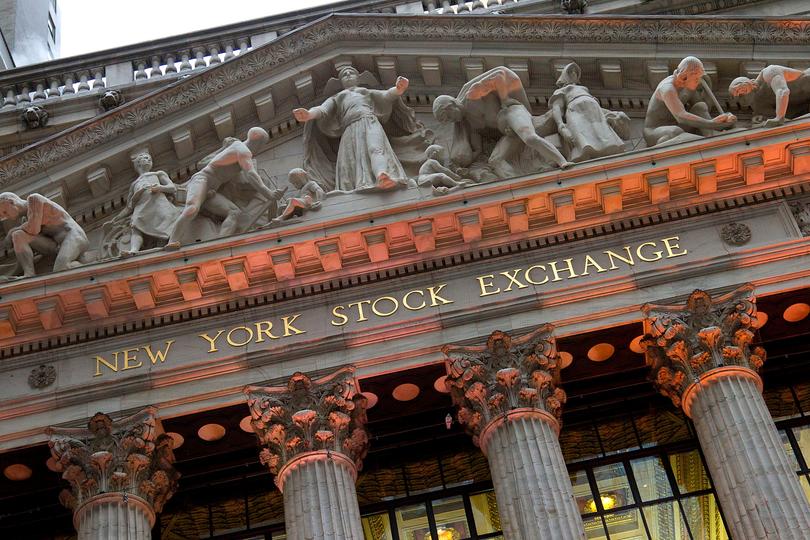
Intercontinental Exchange, the parent company of the New York Stock Exchange, has committed an additional $600 million to prediction market platform Polymarket. This latest funding round closes a previously announced agreement and brings the total institutional commitment to nearly $two billion. The transaction underscores the growing appetite for event-based trading among major financial operators and marks a significant milestone for the industry. Stakeholders view this move as a validation of the emerging asset class and its potential for mainstream adoption in global finance. The deal reflects a strategic pivot toward digital assets and alternative market structures.
The company added the funds on top of a one billion investment made in October, according to reports from Coindesk. ICE also plans to acquire up to $40 million in additional shares from existing holders to finalize the deal and increase its stake in the platform. Management stated the investment would not materially affect its financial results for the current quarter, maintaining a steady fiscal outlook for investors. This strategic allocation highlights confidence in long-term growth and stability for the prediction market sector. This move aligns with broader trends in financial technology adoption.
Polymarket operates a marketplace where users trade on the outcome of real-world events ranging from elections to economic data releases. A trader might buy shares that pay out if inflation rises above a specified level or if a specific candidate wins an upcoming election. Prices shift in real time, reflecting crowd expectations rather than traditional market fundamentals or asset valuations. This mechanism provides a unique lens into public sentiment and market dynamics regarding specific outcomes and future probabilities. Users can bet on outcomes that affect global economic trends.
This surge in funding comes as rival platform Kalshi raises more than one billion at a $22 billion valuation during the same period. Kalshi is reportedly generating an estimated $one point five billion in annual revenue, highlighting strong demand for event-based trading and financial speculation. The competition suggests prediction markets are becoming a significant sector within the broader financial technology landscape globally. Both platforms are vying for market dominance and regulatory approval to secure their future position.
Investor interest has grown even as lawmakers question whether prediction markets are vulnerable to manipulation or insider activity. These concerns could shape how regulators treat both Polymarket and its peers in the coming years with strict scrutiny expected. Regulatory frameworks will likely determine the longevity of these platforms in the US market and their access to liquidity. Compliance remains the primary hurdle for expansion into new jurisdictions and international markets. Market volatility could also influence investor behavior significantly.
Polymarket has taken steps to position itself for that scrutiny by acquiring a licensed exchange and clearinghouse earlier this year. It also recently announced a partnership with Palantir and TWG AI to build a surveillance system aimed at detecting suspicious trading patterns. This system aims to identify manipulation in its sports prediction markets specifically to ensure fair play. Enhanced security measures are crucial for building trust with institutional partners and regulators. Such partnerships are becoming standard practice for compliance.
The backing from ICE gives Polymarket more than capital, as it ties the platform to one of the upcoming names in global markets. ICE’s investment signals that large, traditional market operators see potential in the sector beyond traditional derivatives. This validation may encourage other institutional players to enter the space and diversify their investment portfolios significantly. The network effect is becoming apparent for early adopters of this technology.
If prediction markets gain broader approval, they could sit alongside stocks and futures as another way for traders to express views on forthcoming events. The integration of these platforms into standard financial infrastructure remains a key objective for both companies involved in the deal. Success would require navigating a complex web of federal and state regulations without compromising user privacy. The path forward is complex and requires careful planning and execution. Legal experts are monitoring the situation closely.
Looking ahead, the sector faces critical decisions regarding compliance and market integrity as volume increases exponentially across the board. Investors will watch how regulatory bodies respond to the influx of capital from traditional financial giants with close attention. The outcome of these reviews will define the next phase of prediction market adoption and its role in the economy. Future developments will determine the industry's trajectory and sustainability in the long term.