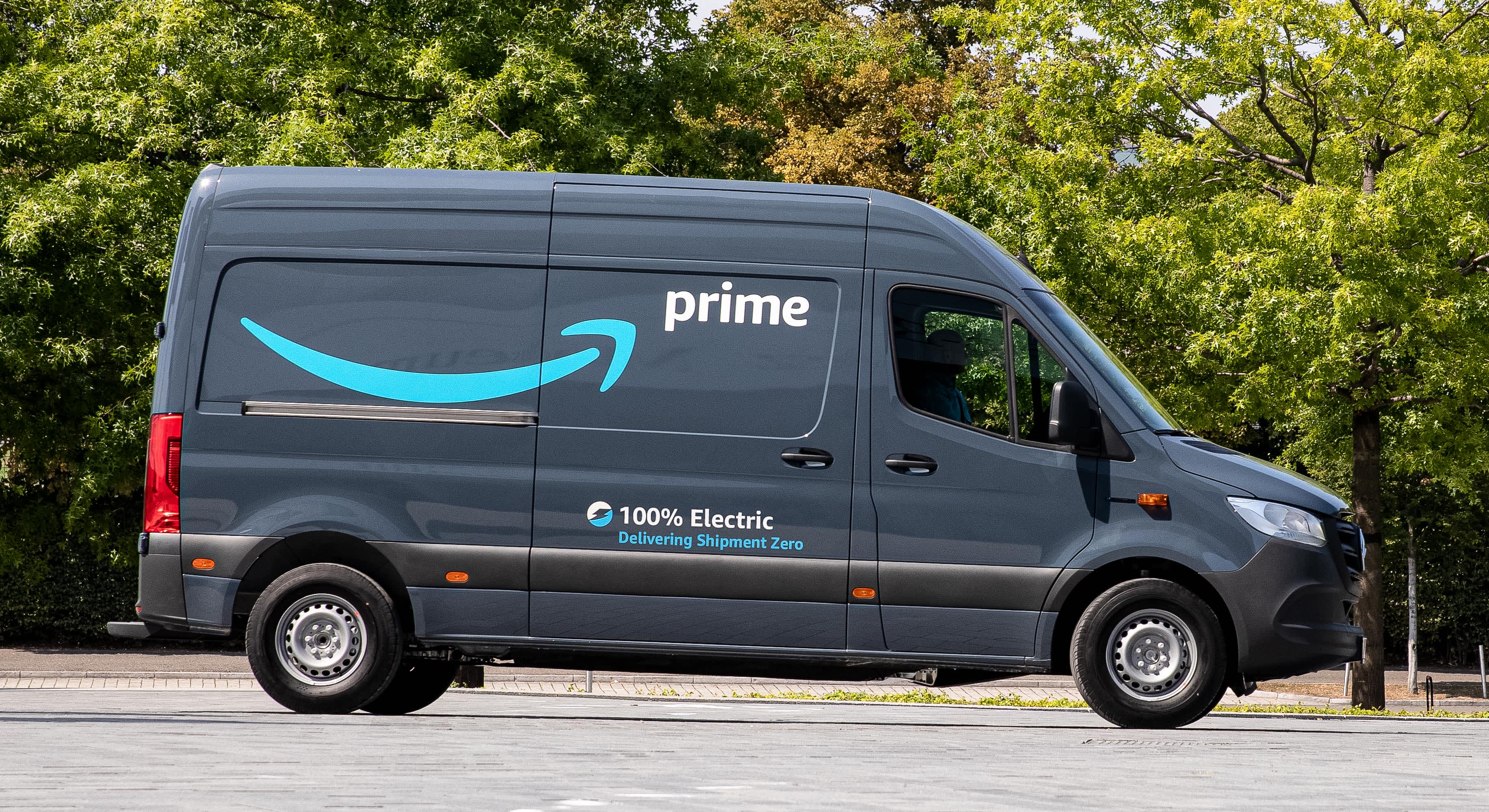
On March 17, Amazon officially launched 30-minute delivery trials in select parts of the U.S., while simultaneously rolling out one-hour and three-hour delivery options across thousands of cities nationwide. This move signals Amazon’s renewed push into the "quick commerce" sector, a model that has faced significant headwinds in Western markets.
Amazon’s strategy is not without precedent. The company began piloting 10-minute delivery in India in June 2025, followed by a 15-minute service in the UAE that October. These markets have served as a proving ground, highlighting both the potential of instant delivery and the operational pain points that come with it.
The Challenges of Transplanting the Model
Globally, China has built the world’s largest instant retail market, valued at $125 billion, with roughly a quarter of its population using such services. However, Kartik Hosanagar, a professor at the Wharton School of the University of Pennsylvania, argues that this demand is largely "manufactured" by companies through aggressive subsidies and marketing. "Companies have used price wars to train consumers to develop instant-consumption habits, regardless of whether the need is truly urgent," he noted.
Recent performance in India supports this view. Despite massive investment, instant retail accounts for only 1% to 2% of India’s total trade. According to consulting firm Kearney, price discounts in India's instant retail market range from 6% to 9%, significantly higher than the 2% to 5% seen in general trade. Furthermore, the industry faces intense scrutiny over environmental impact and poor working conditions for delivery riders; the Indian government even pressured platforms to stop advertising 10-minute delivery services due to safety concerns.
Data from Tracxn shows that global funding for instant retail has plummeted from a peak of $11.3 billion in 2021 to $1.92 billion in 2025. With over 40 instant retail companies having folded globally, the pace of industry expansion has slowed dramatically.
Neha Singh, co-founder of Tracxn, stated that the long-term viability of the sector depends on balancing delivery speed, unit economics, and operational discipline. Experts generally agree that the U.S. is not the ideal environment for instant retail. In 2022, American startups like Gopuff, Fridge No More, and Buyk collapsed due to high labor costs and unsustainable unit economic models.
Nir Eyal, author ofHooked, points out that instant retail thrives on high-density urban populations and inconvenient traditional retail environments. In contrast, the low-density layout of American suburbs and a highly mature supermarket system undermine the necessity of such services. Nevertheless, Amazon is effectively replicating the logic used by Chinese tech giants like Meituan, Alibaba, and JD.com. By using instant delivery to lock users into its vast ecosystem of advertising, financial services, cloud computing, and logistics, Amazon is betting that the strategic value of the service outweighs the operational hurdles.