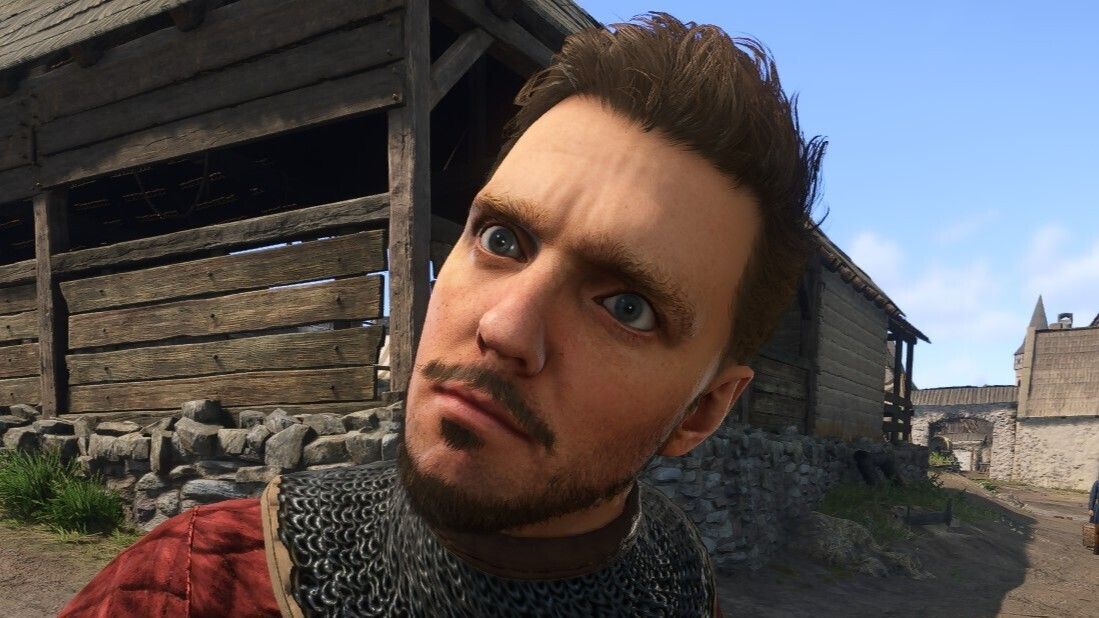
Max Hejtmánek, the English language editor for Kingdom Come: Deliverance 2, alleges he was fired from Warhorse Studios to implement AI translation tools. He published a post on Reddit claiming management told him his role would become obsolete next month. This claim emerged on March 28, just days after the game secured critical acclaim and a Game of the Year award. PC Gamer reported the story and subsequently confirmed Hejtmánek as the author of the original post.
Employment Termination Details
Hejtmánek stated he received no forewarning before being invited to a meeting on March 27. Management allegedly cited efforts to make the company more effective and save finances as the primary drivers for the decision. The editor described his position as becoming obsolete in favor of using artificial intelligence for all future translations. He confirmed that his work appeared in dialogues, quest logs, and item names throughout the final product. He added that he felt incredibly betrayed by the management team during this process.
"I primarily worked on KCD2 and its DLCs, including dialogues, quest logs, item names, and various other things," Hejtmánek wrote. "Simply put, if you have ever played KCD2 in English, you have quite likely seen my work." "I feel incredibly betrayed by the management," he said regarding the meeting.
Industry Implications
The gaming industry has seen increasing scrutiny regarding the integration of generative AI into development pipelines. Daniel Vávra, the game director, recently defended DLSS 5 technology on social media, adding to the studio's complex relationship with technology. This specific incident deepens suspicion among fans regarding the studio's approach to labor and creative roles. The situation highlights a broader tension between cost-cutting measures and maintaining human creativity in narrative-driven games.
Hejtmánek noted that he had opposed using AI translation tools at Warhorse but did not expect it to result in job loss. He cautioned fans against harassing other staff members or engaging in review bombing of the studio. Despite his stance, he declared that he would not keep quiet about his experience with the company. This public disclosure marks a significant moment for transparency regarding AI adoption in major game development.
Warhorse Studios has not yet issued a formal statement regarding these specific allegations or the restructuring of their localization team. PC Gamer stated they reached out to the developer for comment and would update the story upon receiving a response. The lack of immediate confirmation leaves many questions about the actual scale of AI integration at the studio. Other employees might be facing similar uncertainties as the company reportedly looks to optimize costs.
Future Outlook
This event follows a trend where automation and machine learning tools are replacing traditional human roles in various sectors. The gaming industry faces unique challenges when balancing efficiency with the nuanced requirements of storytelling and character dialogue. Stakeholders will likely watch how this situation unfolds to gauge the long-term viability of human editors in 2026 and beyond. The outcome could set a precedent for how other developers handle translation and localization budgets.
Consumers and industry observers must now monitor whether Warhorse releases updates confirming the use of AI in future content. The controversy underscores the need for clearer communication between studios and their workforce during technological transitions. As AI capabilities expand, the definition of creative labor will continue to evolve across the technology sector. This story remains a critical case study for the intersection of AI ethics and game development business models.
The gaming sector continues to grapple with the rapid adoption of generative tools across production cycles. Developers face pressure to reduce overhead while maintaining the quality that defines their franchises. This case may influence how studios approach localization contracts in the coming years. The industry must determine the balance between technological efficiency and human artistic contribution.
Regulators and labor organizations are beginning to examine the impact of AI on employment in creative industries. The situation at Warhorse could prompt new inquiries into how companies classify and compensate human labor. Transparency will be key as studios navigate these complex operational changes. The gaming community will remain vigilant regarding future staffing decisions at major studios.