As Agentic AI technology gains momentum, companies are racing to automate every conceivable workflow. However, Itay Sagie, founder of Sagie Consulting, warns that this 'automate everything' trend masks significant strategic risks.
Drawing on his own experience, Sagie describes the process of controlling a shower ventilation system via voice command. While technologically impressive, he notes that such a simple task requires the coordination of global data centers and multiple cloud providers. He characterizes this tendency to globalize local problems as "absurd."
The Three Hidden Costs of Automation
Sagie warns that undisciplined automation carries severe consequences. First is the operational risk: every automated step adds complexity and potential points of failure. He points out that if a single API or orchestration tool in a multi-step process falters, the entire system can collapse. This over-reliance on complex architecture also makes maintenance prohibitively expensive, potentially leading to extreme scenarios where "it costs $1,500 to fix a smart switch."
Second is the economic risk. While individual voice commands or AI calls are inexpensive at a small scale, costs for compute, tokens, and vendor integrations accumulate rapidly in large-scale deployments. Sagie stresses that companies must prioritize return on investment to ensure that the cost of automation does not exceed the value of the task itself.
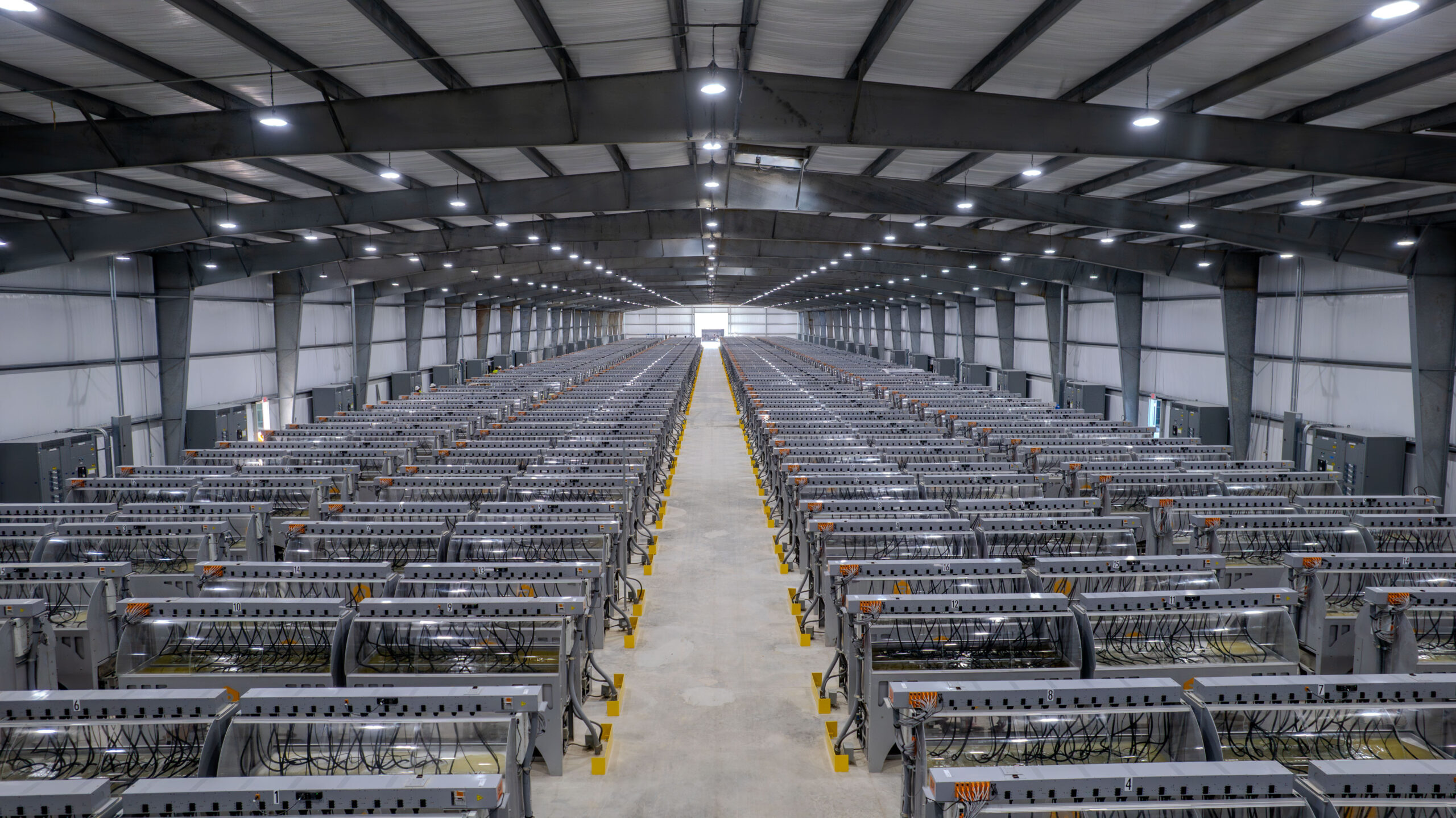
Finally, there is the issue of environmental and strategic efficiency. Data centers already generate hundreds of millions of tons of CO2 annually, a figure projected to soar to 2.5 billion tons by 2030. Sagie argues that wasting computing power on simple, repetitive tasks is not only poor business logic but also creates an unsustainable environmental burden.
While Sagie supports the use of AI in data-intensive environments and complex workflows, he urges the industry to return to a more rational approach. Businesses should carefully evaluate which tasks truly warrant automation rather than blindly adopting technology simply because it is "technically feasible."