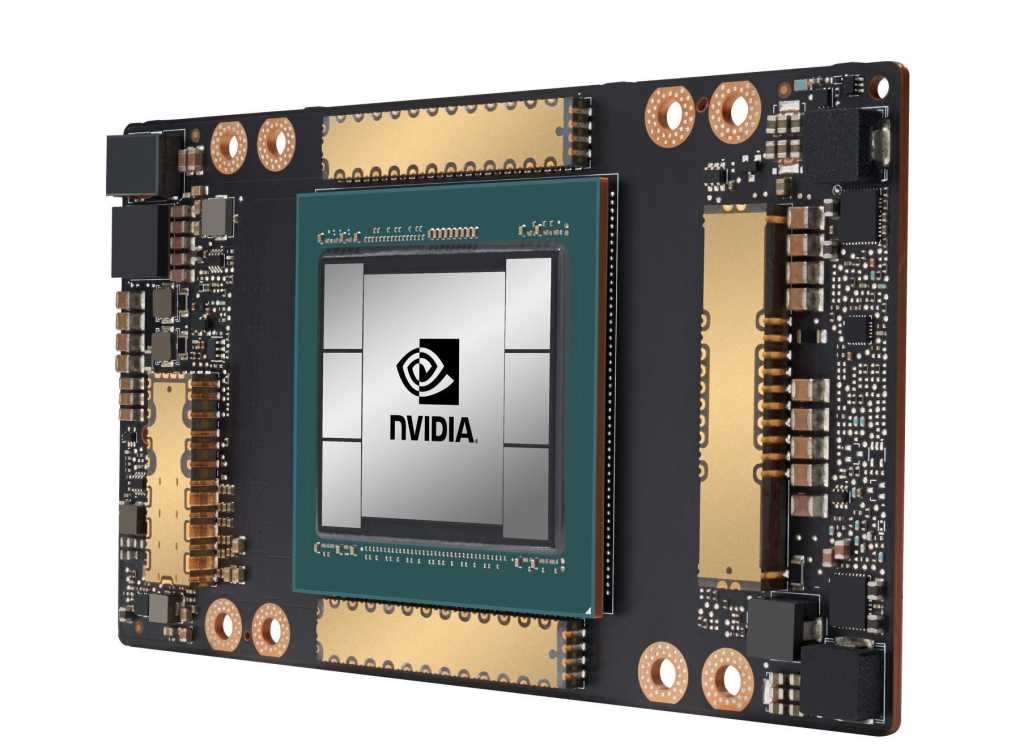
A report released Wednesday by research firm TrendForce indicates that Nvidia’s next-generation Rubin GPU may face shipping delays and reduced production volumes due to supply chain complexities. Analysts now project that the Rubin series will account for 22% of Nvidia’s high-end GPU shipments by 2026, down from an earlier forecast of 29%.
TrendForce identified the primary technical bottleneck as the lengthy validation process required for the new HBM4 memory. Additionally, the complexity of transitioning to ConnectX-9 network interface cards, increased system power consumption, and the stringent requirements for advanced liquid cooling technology have all emerged as significant obstacles to timely delivery.
Market Shifts and Geopolitical Impact
Beyond the fluctuations in the Rubin project, Nvidia’s Hopper series faces supply challenges in the Chinese market. Although the U.S. government previously approved the export of H200 accelerators to China, the lengthy approval process and specific revenue-sharing requirements have led to downward revisions in expected shipments. TrendForce now estimates that the Hopper series’ share of Nvidia’s total shipments will fall from 10% to 7% this year.
Nvidia CEO Jensen Huang confirmed at last month’s GTC conference that the company is restarting H200 production lines to meet demand from the Chinese market. However, due to geopolitical constraints, the actual pace of delivery has yet to meet expectations.
Despite setbacks in some product lines, TrendForce remains optimistic about the market performance of the Blackwell series, including the GB300 and B300. Analysts expect these products to fill the capacity gap, accounting for 71% of Nvidia’s total shipments this year.
Meanwhile, the continued surge in memory prices is placing further pressure on the chip industry. TrendForce warns that following a 75% to 80% price hike in the first quarter, consumer DRAM prices are expected to climb another 45% to 50% in the second quarter. The insatiable demand for storage chips to support AI infrastructure has caused the market prices for products like DDR5 and SSDs to more than triple compared to the same period last year.
Nvidia has yet to provide an official response regarding the potential delays to the Rubin series.