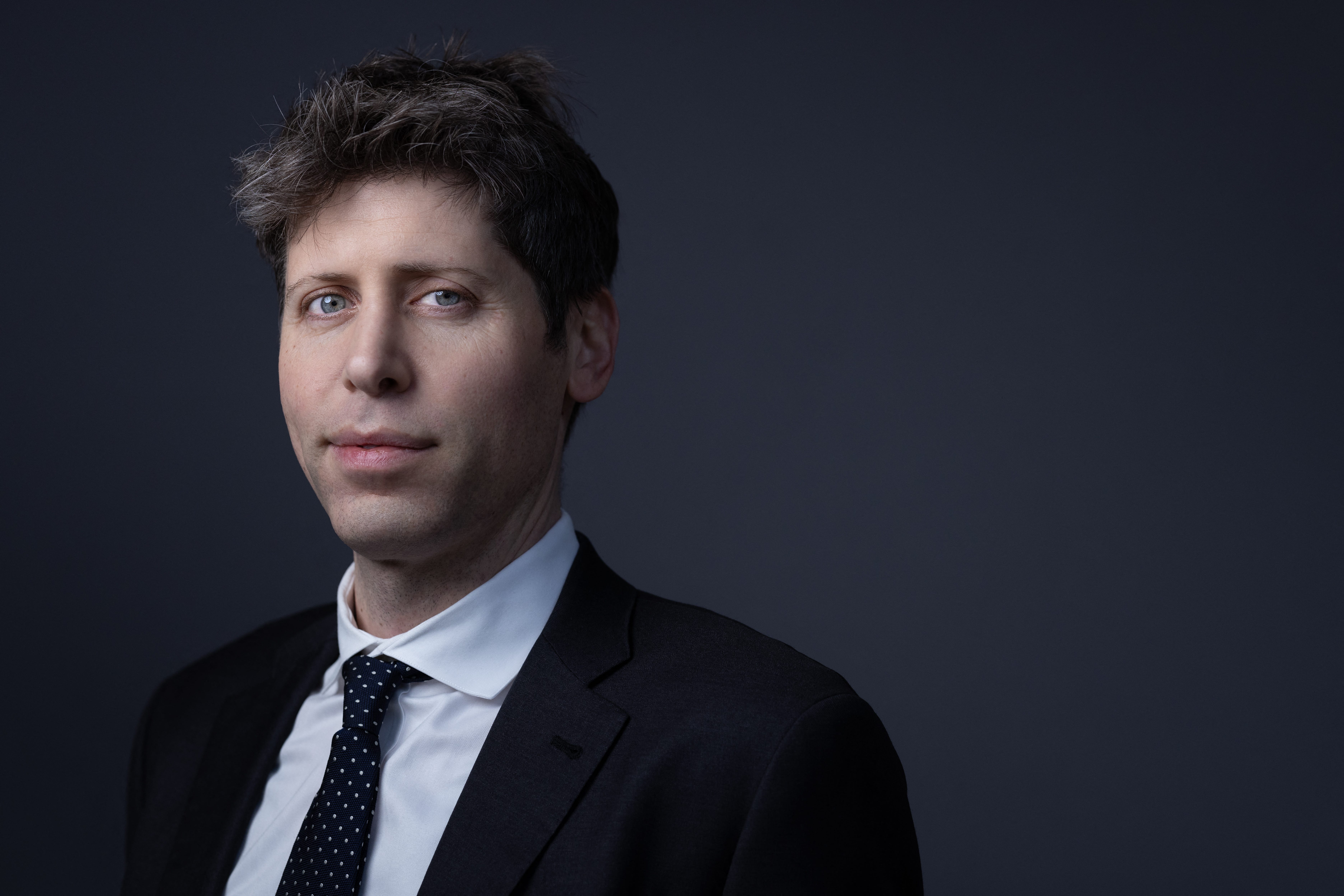
OpenAI CEO Sam Altman is actively promoting his ambitious vision for the future of artificial intelligence. In a blog post titled "A Gentle Singularity" released last year, he detailed how AI is set to fundamentally transform global supply chains.
Altman believes the current trajectory of AI development is brimming with potential. He envisions the creation of initial humanoid robots that would take on tasks such as mining, trucking, and factory operations, eventually leading to self-replicating machines. This process, he argues, will accelerate technological progress through a "self-reinforcing loop," resulting in a massive leap in global productivity.
Automation and Societal Adaptation
Addressing concerns regarding mass unemployment, Altman maintains an optimistic outlook. While he acknowledges that the "disappearance of entire job categories" will present challenges, he insists that humanity possesses a remarkable capacity for adaptation. He wrote: "The world will become so wealthy that we can seriously consider new policy ideas that were previously unthinkable."
Altman draws parallels between the current AI wave and the Industrial Revolution. He suggests that even as standards of expectation rise, human creative capacity will grow in tandem, creating greater value through the rapid iteration of tools. He asserts that while the social contract will not change overnight, looking back decades from now will reveal that these incremental shifts have had a profound impact.
However, tech outlet Ars Technica has challenged this perspective. Critics argue that Altman’s rhetoric functions more as a sales pitch than a rigorous forecast. They suggest that framing AI as an unalloyed benefit ignores the real-world chaos caused by technological disruption, noting that Altman’s assumption that "everyone will adapt" is significantly disconnected from current societal realities.