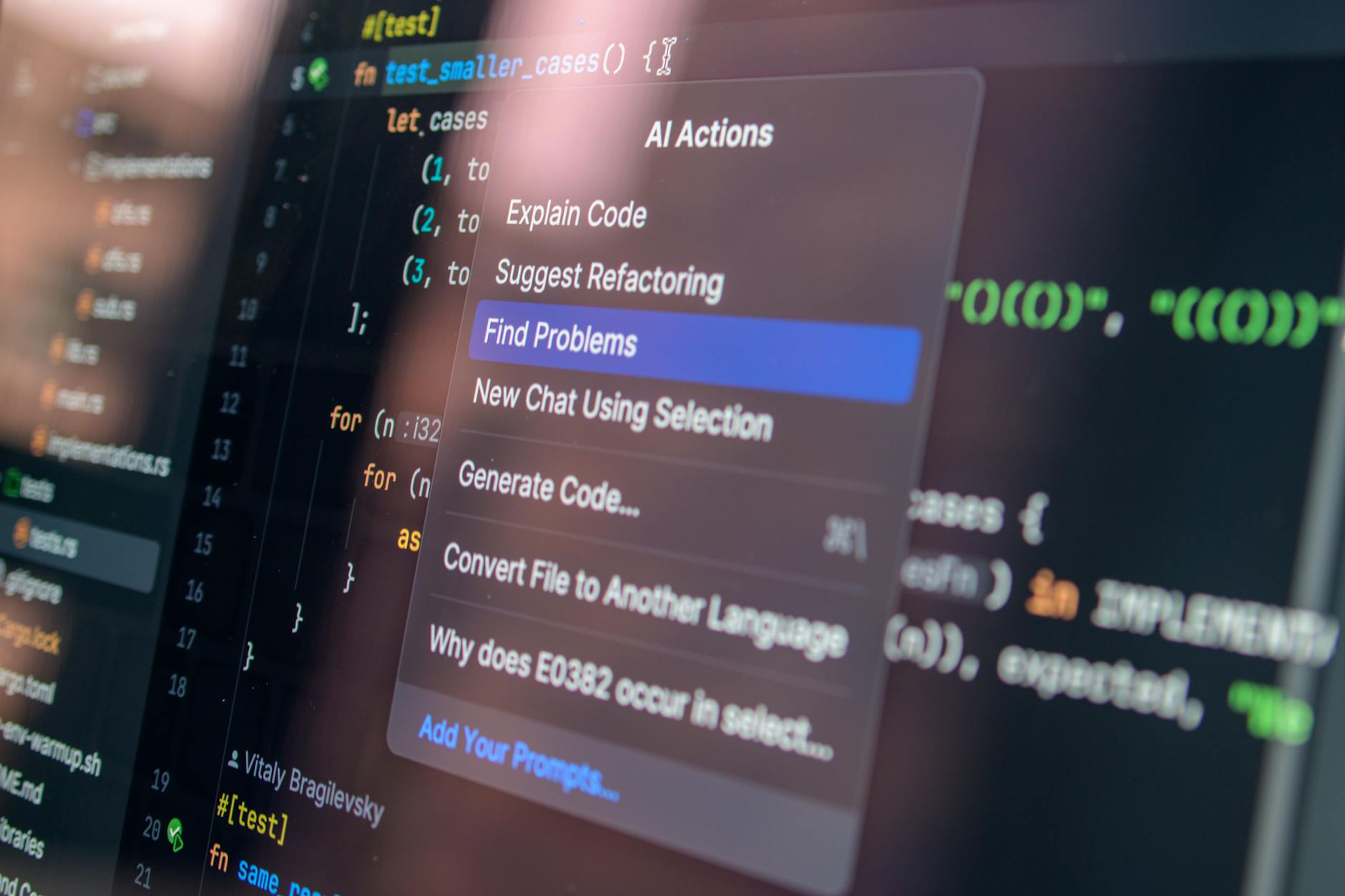
At the All Things AI conference in North Carolina, technical experts from Netflix, Meta, and IBM offered a sobering assessment of AI’s role in the development workflow. While AI is widely touted as a productivity multiplier, attendees agreed that these efficiency gains come with a heavy burden of downstream maintenance.
Ben Ilegbodu, a UI architect at Netflix, pointed out that when developers use AI agents to automate tasks, they often need to deploy a second layer of agents just to evaluate the output. To ensure code quality, he has even adopted an "adversarial code review" mechanism, using multiple agents specialized in different domains to cross-verify results, overseen by a third coordinating agent.
"When you spin up one agent to implement a new feature, you have to assign another agent to handle the prep work for the next task," Ilegbodu explained. While this parallel processing allows him to work efficiently even in programming languages he isn't familiar with, such as Python or Groovy, he admitted that the high-intensity interaction is exhausting: "I spend my entire day talking to machines."
Agent Collaboration and Context Rot
Meta developer advocate Justin Jeffress compared AI to an enthusiastic but naive junior developer. He warned that while AI doesn't get tired, it lacks the judgment of human developers and is highly susceptible to "context rot."
"As interactions deepen, the amount of information the AI needs to process grows, which causes its attention to drift and increases the likelihood of errors," Jeffress explained. He emphasized that "context engineering" has become a critical skill, as vague instructions inevitably lead to low-quality output.
Experts at the conference frequently cited the Jevons Paradox to explain the phenomenon: as the efficiency of a resource increases, its total consumption tends to rise. In the world of programming, this means AI isn't replacing developers; instead, it is creating more work by increasing the complexity of maintenance and cleanup.
The bottom line is clear: there is currently no such thing as "one-click" programming. Developers must invest significant effort into prompt optimization and result verification; otherwise, AI-generated code will simply become a breeding ground for technical debt.