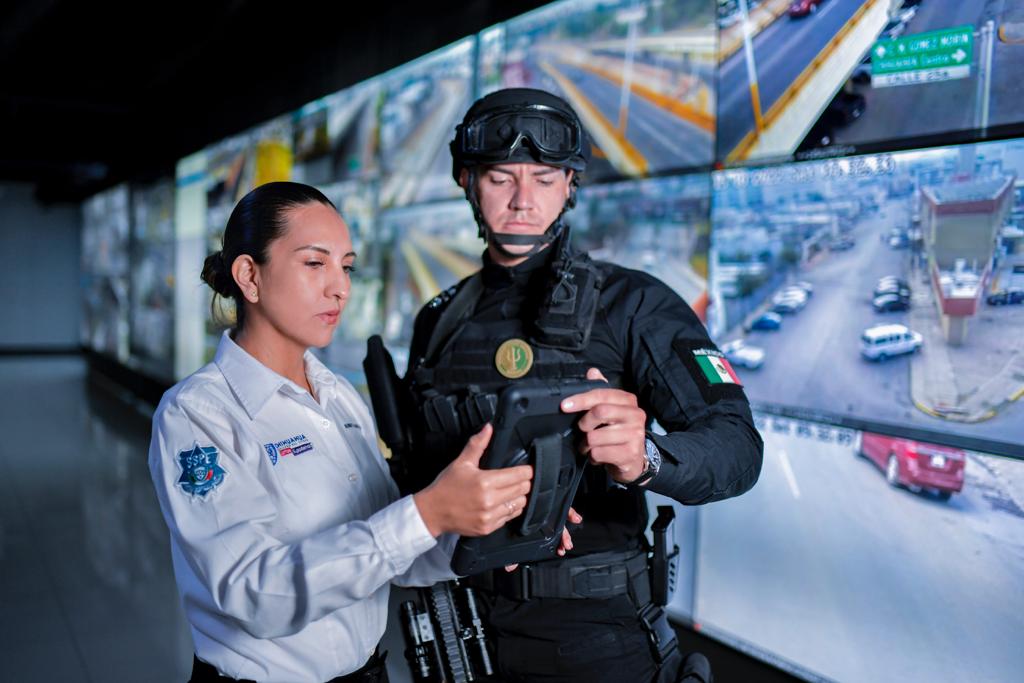
At a law enforcement command center in Ciudad Juárez, analysts can pull up live feeds from cameras across the state of Chihuahua with a few taps on a screen. Through 'Plataforma Centinela' (Sentinel Platform), local police are leveraging artificial intelligence to track suspects, identify crime hotspots, and coordinate officer deployments. The system integrates thousands of cameras, license plate readers, drones, and helicopters, all aimed at curbing the region’s rampant cartel violence.
Gilberto Loya Chávez, Chihuahua’s Secretary of Public Security, stated that the system has significantly boosted investigative efficiency. He noted that facial recognition technology deployed via drones has already led to the successful capture of several individuals suspected of violent crimes. Last year, the platform received an award at the World Police Summit in Dubai for its integration of AI in public safety.
Cross-Border Intelligence Sharing
The reach of this surveillance technology extends to the U.S.-Mexico border. In April 2022, Texas Governor Greg Abbott and Chihuahua Governor María Eugenia Campos Galván signed a memorandum of understanding allowing Texas to access the vast amounts of surveillance data collected by Chihuahua. At the time, Campos Galván remarked that the move would grant Texas real-time visibility into the border region. Mexican officials have since confirmed that they are sharing select intelligence with the FBI and U.S. Customs and Border Protection.
To further bolster this surveillance network, a 20-story 'Centinela Tower' is set to open in the heart of Ciudad Juárez. This facility will serve as the central hub for the state’s monitoring system, integrating emergency dispatch, tactical analysis, and cyber intelligence. Loya explained that placing the command center in downtown Juárez was a strategic decision to position surveillance resources directly in the areas most affected by crime.
While authorities emphasize the deterrent effect of the technology, civil rights groups have raised concerns regarding the privacy risks of such large-scale surveillance. Critics argue that the system may track ordinary citizens without necessarily curbing organized crime. As the scope of data sharing expands, the debate over the boundaries of border surveillance continues to stir local public discourse.