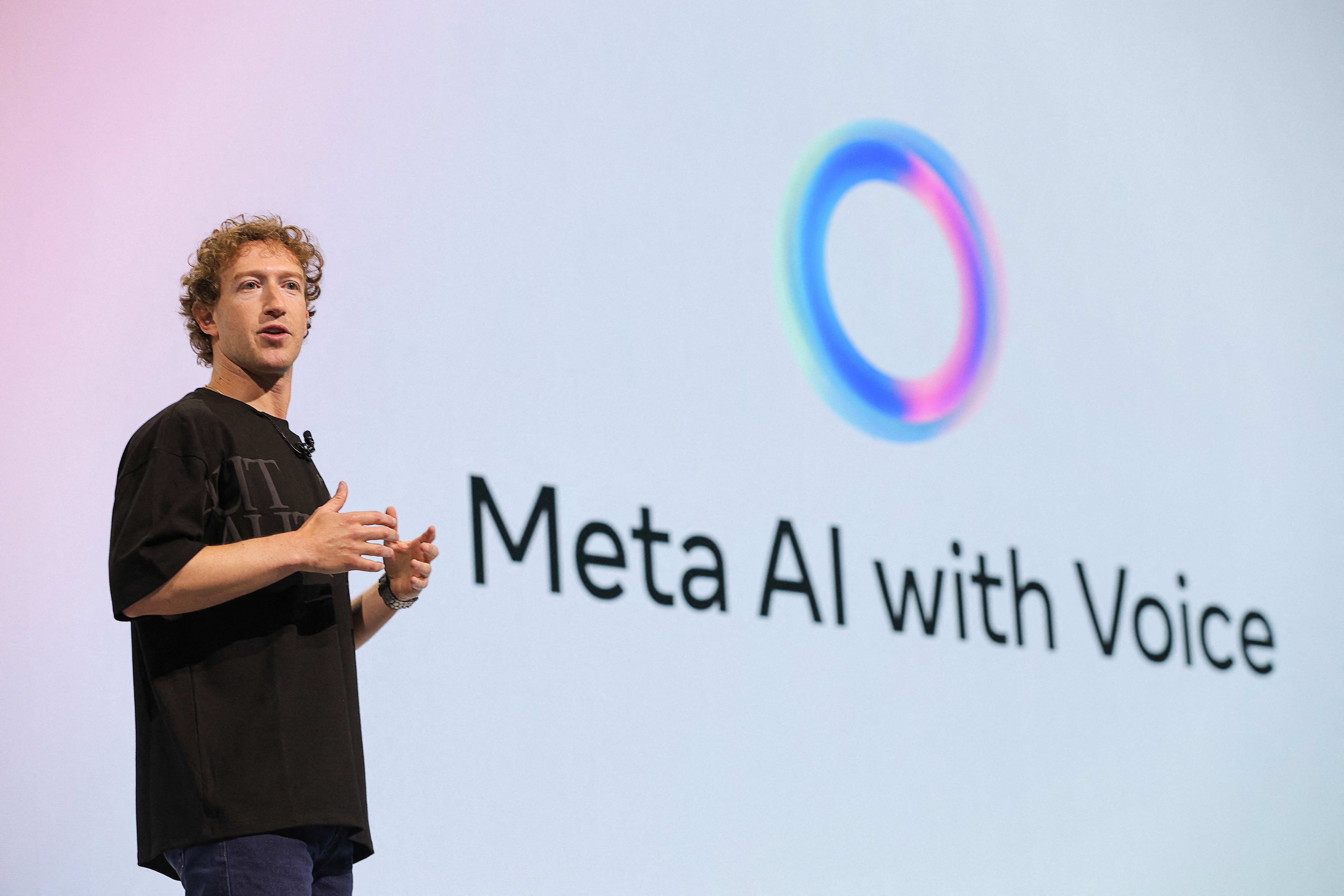
On Wednesday, Meta CEO Mark Zuckerberg officially launched Muse Spark, a new AI model developed by the company’s “super-intelligence” team. Unlike the Llama series, which has been widely embraced by developers, this new model is not open-source. Access is restricted to Meta’s AI portal or via invitation-only API interfaces.
In an official blog post, Meta described Muse Spark as the first product to emerge from a comprehensive restructuring of its AI strategy and the initial step in its “scaling ladder.” However, this closed-source approach stands in stark contrast to the public stance previously held by the company’s founder.
A Shift from Zuckerberg’s Open-Source Pledge
In July 2024, Zuckerberg published a manifesto exceeding 2,000 words titled “Open Source AI Is the Path Forward.” At the time, he explicitly stated that open-source AI was the best way to create maximum economic opportunity and security globally. He even drew a parallel between Llama and the Linux operating system, asserting that Meta’s business model did not rely on selling access to its models.
This position began to waver after Meta launched its Llama API service in 2025. Although Zuckerberg defended the move on Threads, claiming the company still plans to release more advanced open-source models in the future, the launch of Muse Spark signals that Meta has opted for a closed-source path for its top-tier models, mirroring the strategies of OpenAI and Google.
Industry observers suggest this strategic pivot may stem from setbacks in the development of Llama 4. According to a previous report by the Financial Times, Meta had attempted to develop a massive model codenamed “Behemoth,” but was forced to scrap the project after it failed to meet performance expectations, leading the company to recruit top-tier external talent to start over from scratch.
Dual Pressures: Legal and Reputational
Beyond its AI strategy shift, Meta is facing an unprecedented legal crisis. As reported by The Guardian, Meta suffered two historic court defeats this week in California and New Mexico, with juries ruling that the company must be held legally liable for the harm its products have caused to teenagers. In New Mexico, a jury has already ordered Meta to pay $375 million in damages. Analysts believe these rulings signal that tech giants are facing a wave of accountability similar to that experienced by the tobacco industry in the 1990s—a reality that further intensified the political pressure on Zuckerberg during his recent meeting in Washington with Senate Majority Leader John Thune.
Currently, competitors like Google often employ a dual-track strategy, keeping smaller models open-source while reserving their most powerful, core models as closed-source products. For Meta, the transition from an open-source champion to a closed-source player reflects both the cutthroat nature of the high-performance model race and a pragmatic response to the pressures of AI commercialization and ongoing litigation.