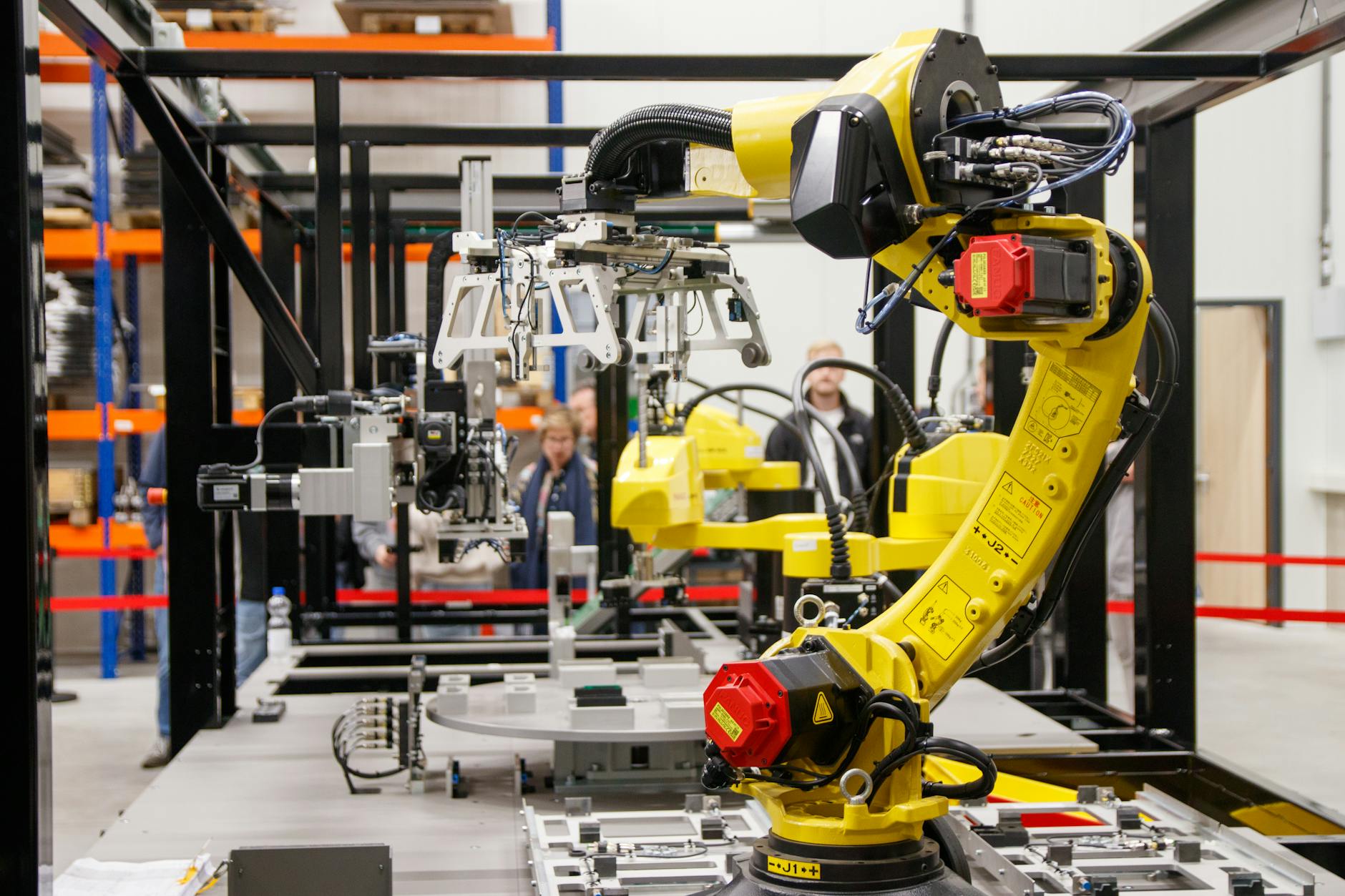
To maintain industrial productivity in the face of an increasingly severe labor shortage, Japan is moving physical AI systems from the lab to the factory floor. In March 2026, the Ministry of Economy, Trade and Industry announced a strategy to build a domestic physical AI industry, aiming to secure a 30% global market share by 2040. According to ministry data, Japan already dominates the industrial robotics sector, accounting for approximately 70% of global manufacturing output in 2022.
Labor Crisis Drives Technological Shift
Ro Gupta, Managing Director at Woven Capital, told TechCrunch that Japan’s cultural openness to robotics, the demographic pressure of a shrinking workforce, and its deep-rooted expertise in mechatronics and hardware supply chains are the primary drivers of this transformation. With the labor force declining for 14 consecutive years, the working-age population has fallen to 59.6% of the total, a figure expected to drop by another 15 million over the next two decades.
Global Brain General Partner Hogil Doh noted that companies are deploying physical AI not to replace existing jobs, but to fill vacancies. "Physical AI is being introduced as a continuity tool—essentially, how do we keep factories, warehouses, infrastructure, and service operations running as the workforce shrinks?" Doh said. "From what I’ve observed, the labor shortage is the primary driver."
Investors and industry executives believe that as the technology matures, Japanese firms are using AI-powered robotics to find a path to sustained productivity amidst a dwindling population. Unlike the strategies in the U.S. and China, Japan’s approach is more focused on using physical AI to solve existential challenges in infrastructure and essential services.