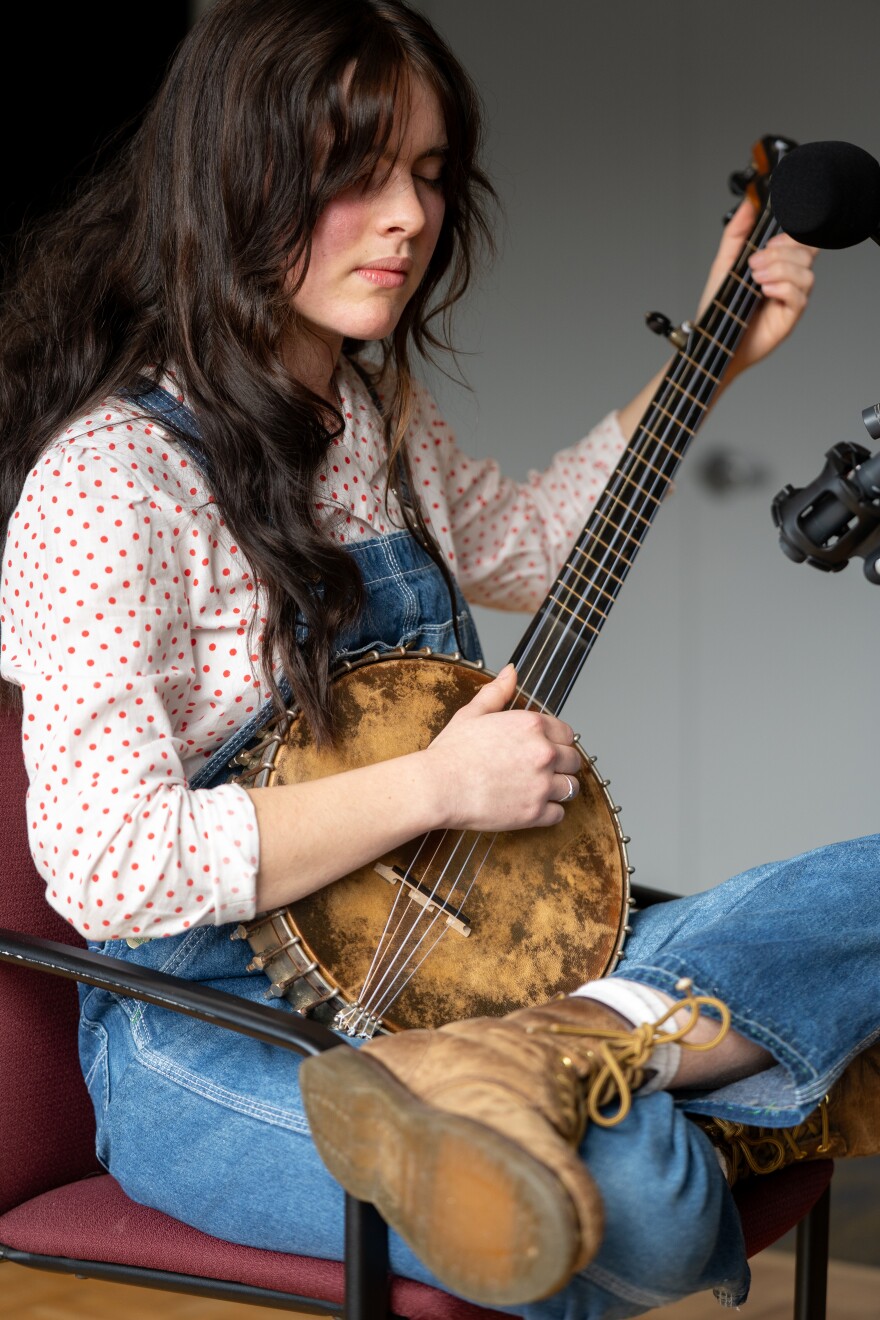
This January, folk singer Murphy Campbell stumbled upon several “of her own” songs on Spotify. While the vocals sounded like hers, she had never uploaded them, and the audio quality felt distinctly uncanny. Campbell suspects that someone scraped her YouTube videos, used AI to generate covers, and then uploaded them to major streaming platforms under her name.
AI detection tools confirmed the tracks were artificially generated. In an interview with The Verge, Campbell noted, “I assumed the platforms had more rigorous vetting processes in place, but this has clearly been a wake-up call.” Although Campbell managed to have most of the fakes removed through persistent reporting, some tracks remain in streaming libraries under fake artist profiles, leading to a situation where multiple “Murphy Campbells” now exist on these platforms.
Spotify is currently testing a feature that would allow artists to manually review releases before they go live. Campbell remains skeptical, noting that large platforms often overpromise and underdeliver when it comes to actual implementation.
Public Domain Tracks Weaponized for Copyright Extortion
Campbell’s ordeal didn't end there. On the same day her AI impersonation story broke, a user named “Murphy Rider” uploaded a series of videos via the distributor Vydia and used them to file copyright claims against Campbell’s own videos. YouTube notified Campbell that her videos were now sharing revenue with the “owner” of this newly uploaded content.
Absurdly, the songs in question, such as “In the Pines,” are in the public domain, with histories dating back to the 1870s. When questioned, Vydia spokesperson Roy LaManna stated that the company had banned the uploader and retracted the claims. LaManna claimed that out of the 6 million copyright claims Vydia processes, only 0.02% are invalid, and insisted that the company’s operations are fully compliant.
LaManna denied any link between Vydia and the AI impersonation incident, claiming that while the timing overlapped, they were separate events. This explanation has done little to quell public skepticism. Campbell believes that the loopholes between generative AI, music distribution mechanisms, and copyright protection systems have created a complex and easily exploitable ecosystem.
“I think the root of the problem goes much deeper than what we’re seeing on the surface,” Campbell said. While Vydia claims to have received death threats and even evacuated their offices due to the controversy, the tug-of-war over digital rights and AI technology shows no signs of slowing down.