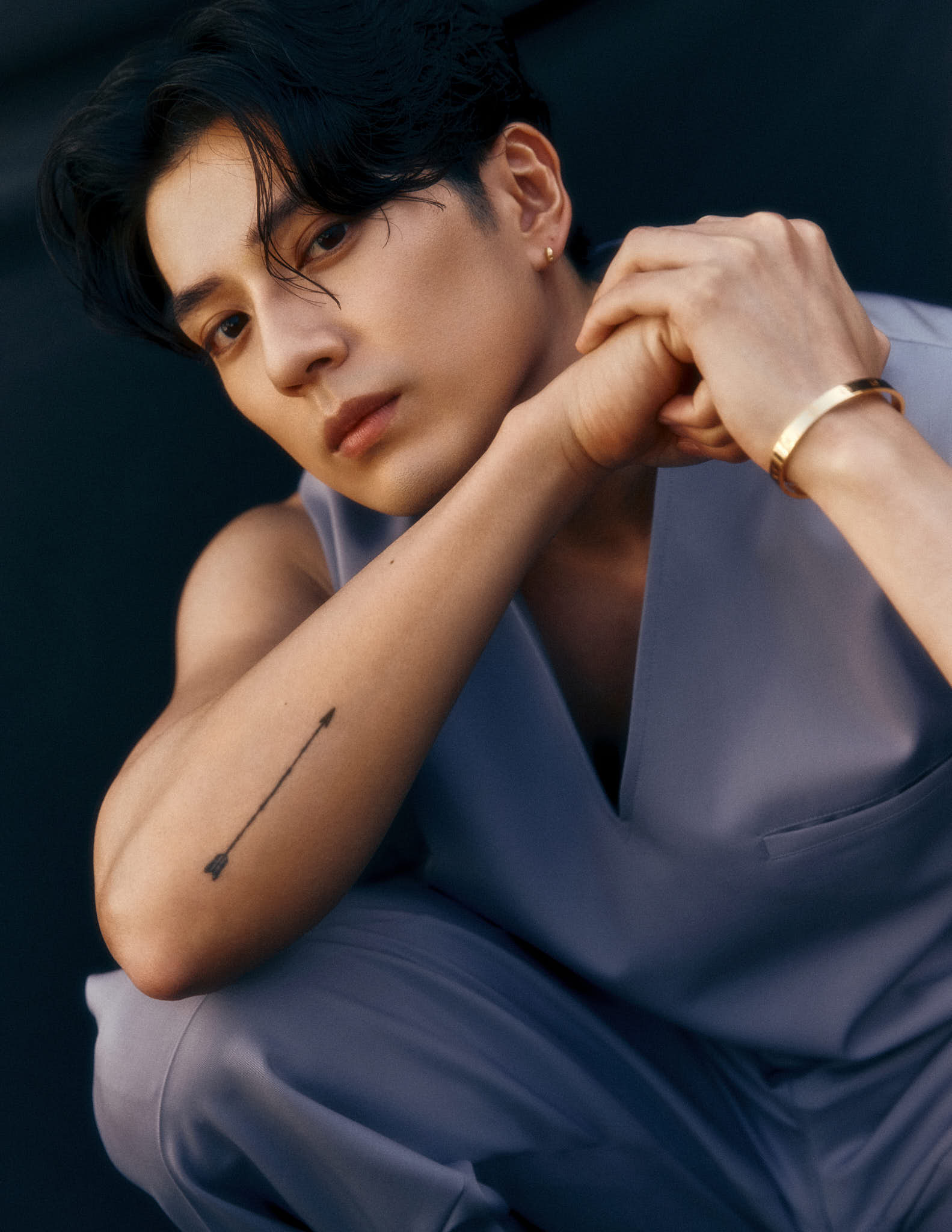
Esquire Singapore has come under heavy fire on social media after using artificial intelligence to fabricate an interview with actor Mackenyu. The magazine had originally intended to interview the actor, who plays Zoro in Netflix’s live-actionOne Piece, ahead of the show's second season. However, due to scheduling conflicts, the publication opted to use AI technology to “simulate” his responses.
AI-Generated Fabrications
The interview was generated using AI models like Claude and Copilot, then refined by human editors. Joy Ling, the editor responsible for the piece, explained that because they could not secure a direct response from the actor, they exercised “creative license” by feeding Mackenyu’s past interviews into an AI program to stitch together new answers.
However, the piece triggered an immediate backlash from fans. In the article, the AI not only provided vague answers regarding pressure and disillusionment but also touched on sensitive topics, including his late father, the legendary action star Sonny Chiba. Fans took to X (formerly Twitter) to voice their anger, with one user stating: “I am incredibly disappointed that Esquire Singapore would use an AI interview to stand in for Mackenyu’s actual thoughts. I highly doubt this was authorized by him.”
As of now, neither Mackenyu nor his agency has issued an official statement regarding the report. Notably, Esquire admitted at the beginning of the article that their initial interview requests went unanswered. Kotaku has reached out to the actor’s representatives to verify if the interview was authorized, but has received no response as of press time.
Industry experts suggest that the media’s attempt to use AI to fill gaps in reporting not only blurs the lines of journalistic integrity but could also negatively impact an artist’s public image. The incident has reignited the debate surrounding the ethical boundaries of AI in media content creation.