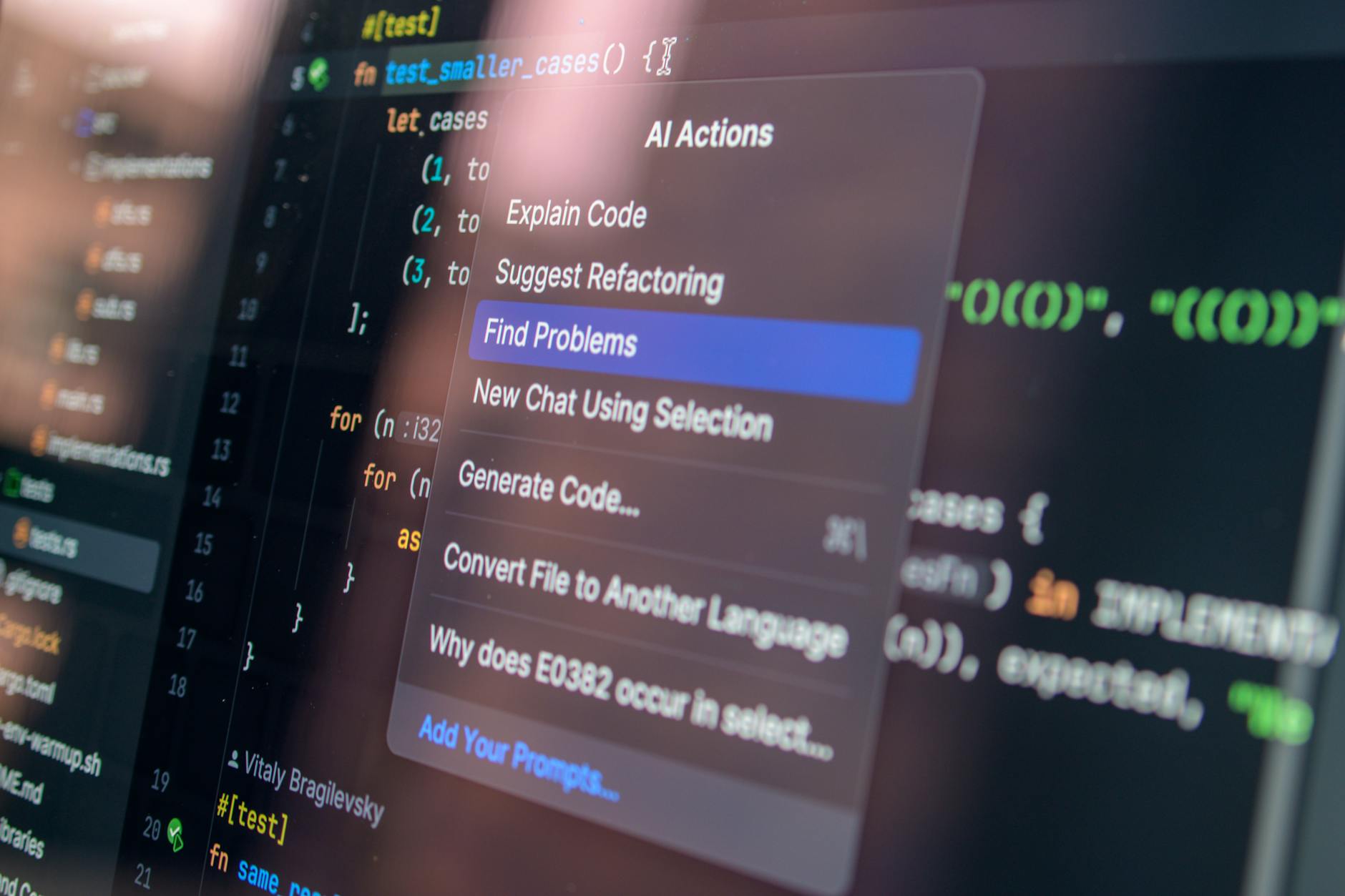
BitTorrent founder Bram Cohen has publicly criticized the current trend of "vibe coding." He argues that the industry's growing reliance on AI-generated code, coupled with a refusal to scrutinize the underlying logic, is leading to a significant regression in software quality.
Recent leaks of some of Claude’s source code have sparked external concerns regarding its quality. On his personal blog, Cohen pointed out that these issues are not necessarily a failure of AI capabilities, but rather the result of development teams blindly embracing a "pure vibe coding" philosophy. In this workflow, developers tend to avoid reading or intervening in AI-generated code, interacting with the system solely through vague natural language prompts.
Refusing to Review is Negligence
Cohen contends that "pure vibe coding" is a fallacy. Even when leveraging AI, developers must still establish task lists and rule frameworks. He noted that the Claude team became so obsessed with the dogma of "internal use" that they neglected the code's foundation, leading to massive redundancy and structural chaos.
"Looking at the underlying code isn't cheating," Cohen wrote. "It’s just performing an audit." By comparing the leaked code, he discovered a significant number of redundant agent and tool definitions. If the developers had simply taken a few minutes to read the code and intervene, these obvious redundancies could have been easily avoided.
Cohen emphasized that AI is actually highly effective at code cleanup and refactoring. With proper guidance, AI can identify and merge messy logic. He suggests that developers adopt a "conversational audit" approach: define rules through dialogue, have the AI execute the cleanup, and then conduct a final human review. This process can significantly improve code quality rather than just chasing a "one-shot generation" outcome.
He pointed out that poor software quality is often a subjective choice by the developer. "People ship bad software because they decide to ship bad software," Cohen stated. "You can absolutely do better; AI tools are meant to be assistants, not excuses to shirk responsibility."
For technical teams attempting to save time by completely hands-off AI development, Cohen offered a stern warning. He believes that abandoning the understanding and auditing of a codebase is essentially surrendering to technical debt. Even for high-level engineering teams, losing control over the underlying architecture will inevitably result in a product that is logically incoherent and difficult to maintain.