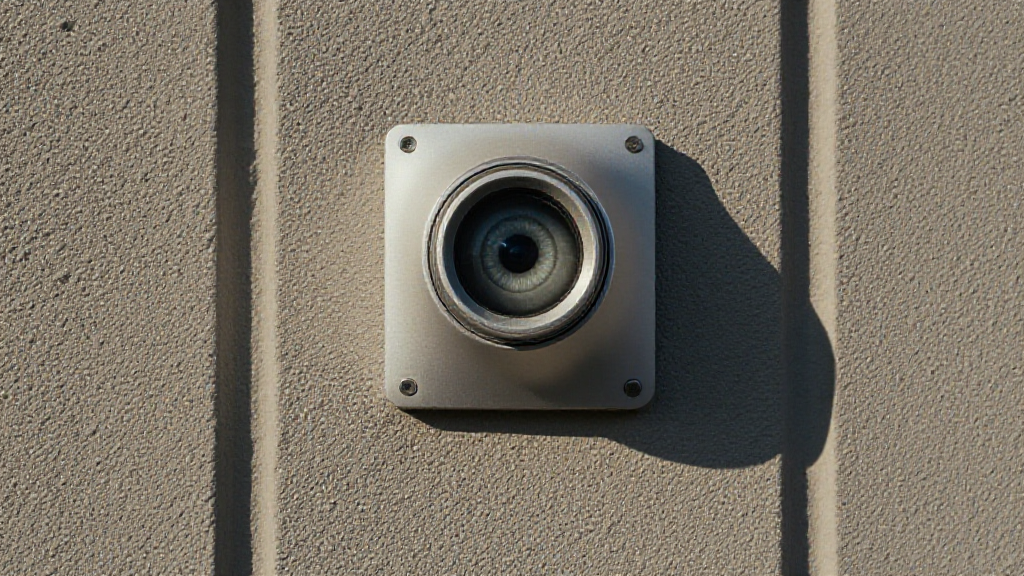
Xiandai Global Briefing: The proliferation of smart home security has long traded convenience for data. However, a recent infrastructural shift involving Amazon's Ring platform suggests this trade is now directly subsidizing federal surveillance capabilities. The integration of Ring’s community request features with surveillance firm Flock is creating an unprecedented, high-resolution data pipeline directly into the enforcement mechanisms of U.S. Immigration and Customs Enforcement (ICE).
The mechanism hinges on Ring’s existing system where local law enforcement can request footage for investigations. When users voluntarily comply, that data is now routed through Flock’s ecosystem. Critically, Flock’s standard contracts grant federal agencies expansive access to this aggregated surveillance data for ‘investigative purposes.’ This access is significantly amplified by Flock’s widely adopted ‘National Lookup Tool,’ which merges data from thousands of local agencies nationwide.
This is not a hypothetical future; it is documented infrastructure. While local police leverage these tools for mundane issues like package theft, the underlying architecture is designed for federal reach. ICE already utilizes Flock’s extensive network of automated license plate readers (ALPRs) to profile vehicular movements across the country. The addition of voluntarily submitted doorbell video data transforms community vigilance into granular intelligence for immigration enforcement.
The privacy defense often rests on the ‘opt-in’ nature of the sharing request. Yet, as analysts have repeatedly warned, this voluntary gesture masks the systemic downstream consequence. The user agrees to assist a local investigation, but in doing so, they unwittingly inject their private data into a national surveillance apparatus previously reserved for targeted federal operations. This opacity is the core challenge of modern surveillance capitalism: good intentions facilitating state power.
For consumers, the calculation has fundamentally changed. The Ring camera, marketed as a neighborhood guardian, is now demonstrably linked to the technology tracking millions of non-criminal residents. As we move deeper into an era where home security interfaces with state enforcement, understanding the true destination of our shared data is no longer optional—it is essential for digital autonomy. The porch camera is now watching for the state.
Source Attribution: Analysis derived from reports concerning Ring/Flock data-sharing protocols and documented federal access agreements.