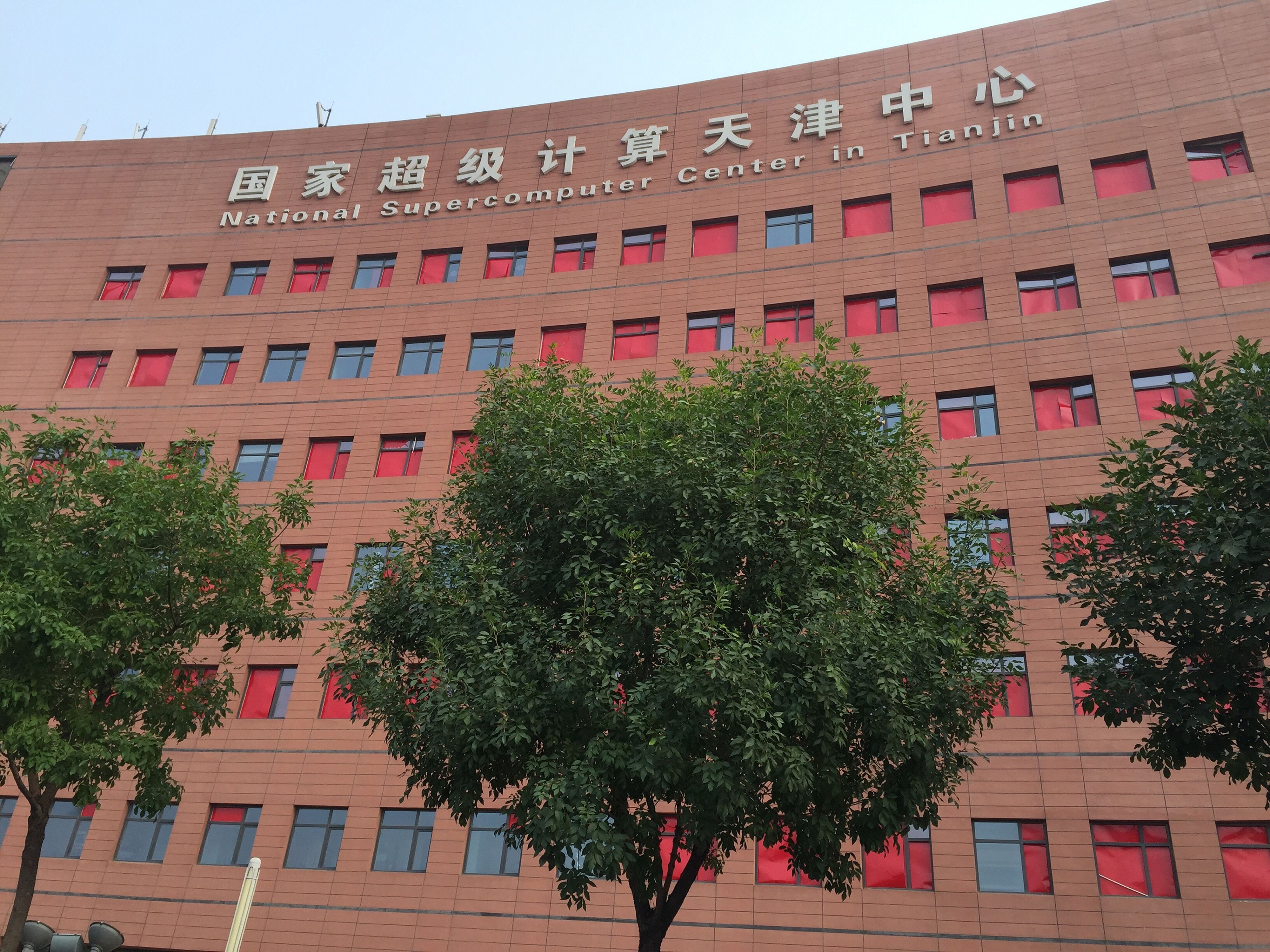
A self-proclaimed hacking group named FlamingChina has breached the National Supercomputing Center in Tianjin, reportedly exfiltrating 10 petabytes of highly sensitive defense and scientific data. The group is currently attempting to sell the massive dataset via an anonymous Telegram channel.
The stolen information reportedly spans critical research areas, including aerospace engineering, military applications, bioinformatics, and fusion simulation. According to security experts who reviewed samples, the leak includes classified documents, technical files, and detailed renderings of military hardware such as missiles and bombs.
A distributed extraction strategy
Cybersecurity researcher Marc Hofer, who engaged with the attackers, reports that the breach began with a compromised VPN domain. Once inside the network, the hackers deployed a botnet to extract data across multiple servers simultaneously.
This distributed approach allowed the attackers to bypass security monitoring systems that typically flag large, singular data movements. Cybersecurity consultant Dakota Cary of SentinelOne noted that the operation took approximately six months to complete, exploiting fundamental gaps in the center’s network architecture rather than relying on sophisticated software exploits.
The dataset is currently being offered for sale in exchange for cryptocurrency. Experts suggest that due to the sheer volume of 10 petabytes—equivalent to the capacity of 10,000 high-specification laptops—only state-level intelligence services possess the analytical infrastructure required to process and derive value from the material.
While the authenticity of the material has not been officially confirmed by Chinese authorities, independent cybersecurity experts who reviewed the samples believe the data is genuine. The incident highlights recurring vulnerabilities in China's digital infrastructure, a problem the nation’s own policymakers identified as a national priority in a 2025 security white paper.
The Tianjin facility serves more than 6,000 clients, including major organizations such as the Aviation Industry Corporation of China and the National University of Defense Technology. Representatives from China’s Ministry of Science and Technology and the Cyberspace Administration of China have not yet responded to requests for comment.