The United States and Iran entered a two-week conditional ceasefire on Tuesday evening, following a last-minute diplomatic intervention led by Pakistan. The agreement effectively cancelled an ultimatum from President Donald Trump, who had threatened to bomb Iranian power plants and bridges if the Strait of Hormuz remained closed.
Trump announced the suspension of military action just hours after posting on Truth Social: “A whole civilization will die tonight, never to be brought back again. I don’t want that to happen, but it probably will.” Reports indicated that American B-52 bombers were already en route to their targets before the diplomatic breakthrough was finalized.
According to the ceasefire terms, the U.S. will pause its military campaign for 14 days to allow for negotiations regarding a 10-point proposal submitted by Tehran. Trump stated, “Subject to the Islamic Republic of Iran agreeing to the COMPLETE, IMMEDIATE, and SAFE OPENING of the Strait of Hormuz, I agree to suspend the bombing and attack of Iran for a period of two weeks.”
Iranian Foreign Minister Abbas Araghchi confirmed the agreement shortly thereafter. “For a period of two weeks, safe passage through the Strait of Hormuz will be possible via coordinating with Iran’s Armed Forces,” Araghchi wrote in a formal statement. Axios reported that Israel has also agreed to the ceasefire, contingent upon the immediate cessation of the blockade of the strait.
Market volatility and institutional capital flows
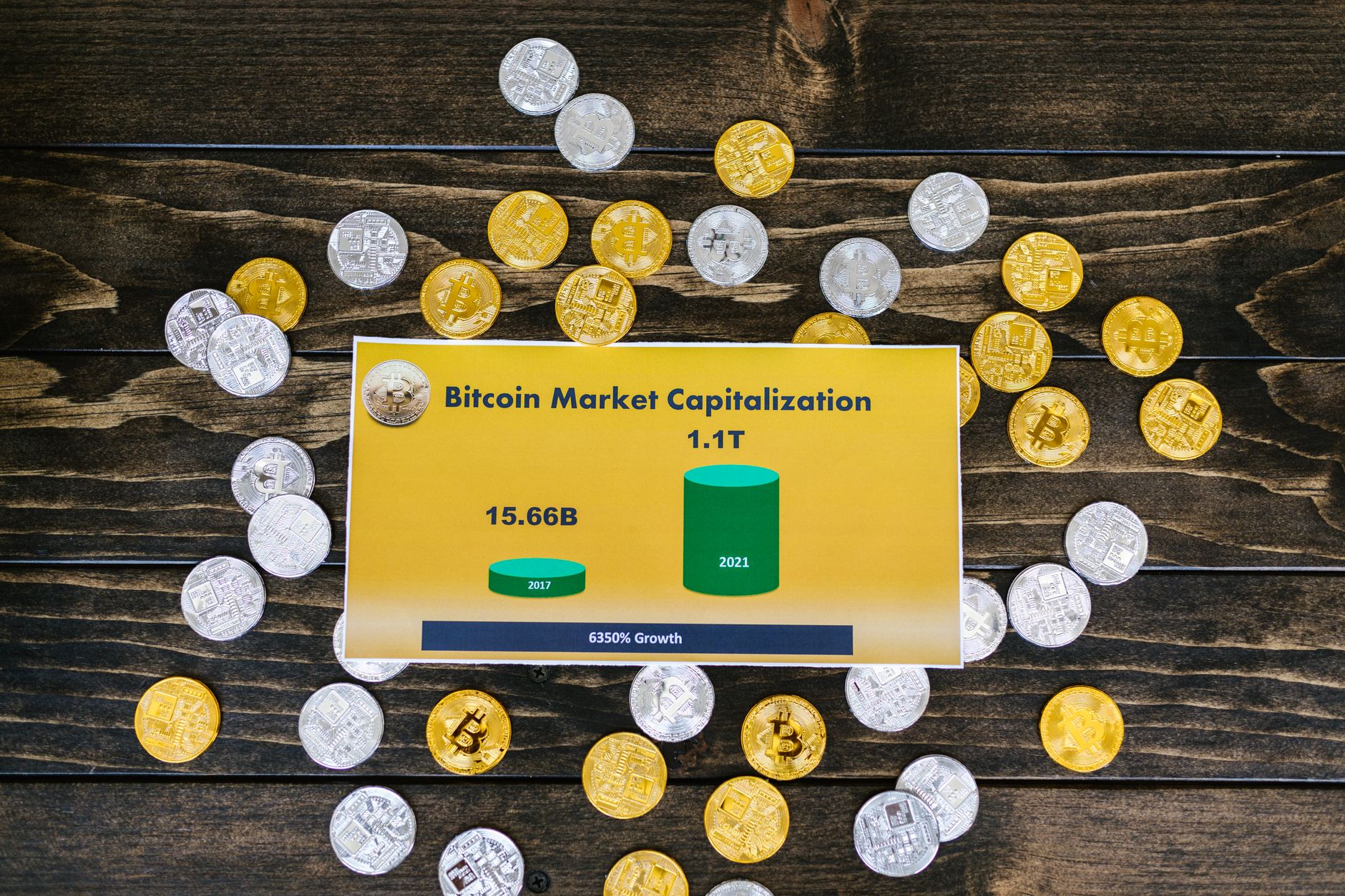
The geopolitical tension surrounding the five-week conflict has significantly influenced global financial markets. While weekend gains for Bitcoin were largely erased as the Tuesday deadline approached, institutional investors signaled a shift in strategy. Bitcoin ETFs recorded $471.3 million in inflows on Monday, the largest single-day haul since February, according to SoSoValue data. BlackRock's IBIT led the surge with $181.9 million, followed by Fidelity’s FBTC and ARKB.
“Institutional positioning right now looks more like measured accumulation than a binary bet on geopolitics,” said Wenny Cai, founder and CEO of decentralized derivatives exchange SynFutures. Cai noted that the recent activity reflects a “structured allocation rather than chasing a near-term resolution of the Middle East conflict.”
Despite the ceasefire, oil prices remain elevated at $115.50 per barrel, reflecting a 110% increase since December 2025. Prediction market users on Myriad previously repriced the probability of increased traffic through the Strait of Hormuz before May from 43% to 68% as diplomatic talks stalled earlier in the week.
Separately, the broader digital asset market saw a $224 million rebound in exchange-traded product (ETP) inflows last week. Switzerland accounted for 70% of these global inflows, with XRP-linked products contributing more than half of the total volume.
As the diplomatic pause begins, technical analysts are shifting focus back to long-term protocol security. Grayscale’s research arm recently argued that the challenge of quantum-safe blockchains is primarily a governance issue rather than an engineering one. The report suggests that while the technical roadmap for quantum resistance is clear, achieving consensus on protocol changes—particularly regarding the handling of early Bitcoin holdings—remains a significant hurdle for the network.