Amazon's Retail Reality Check: Fresh and Go Stores Shuttered
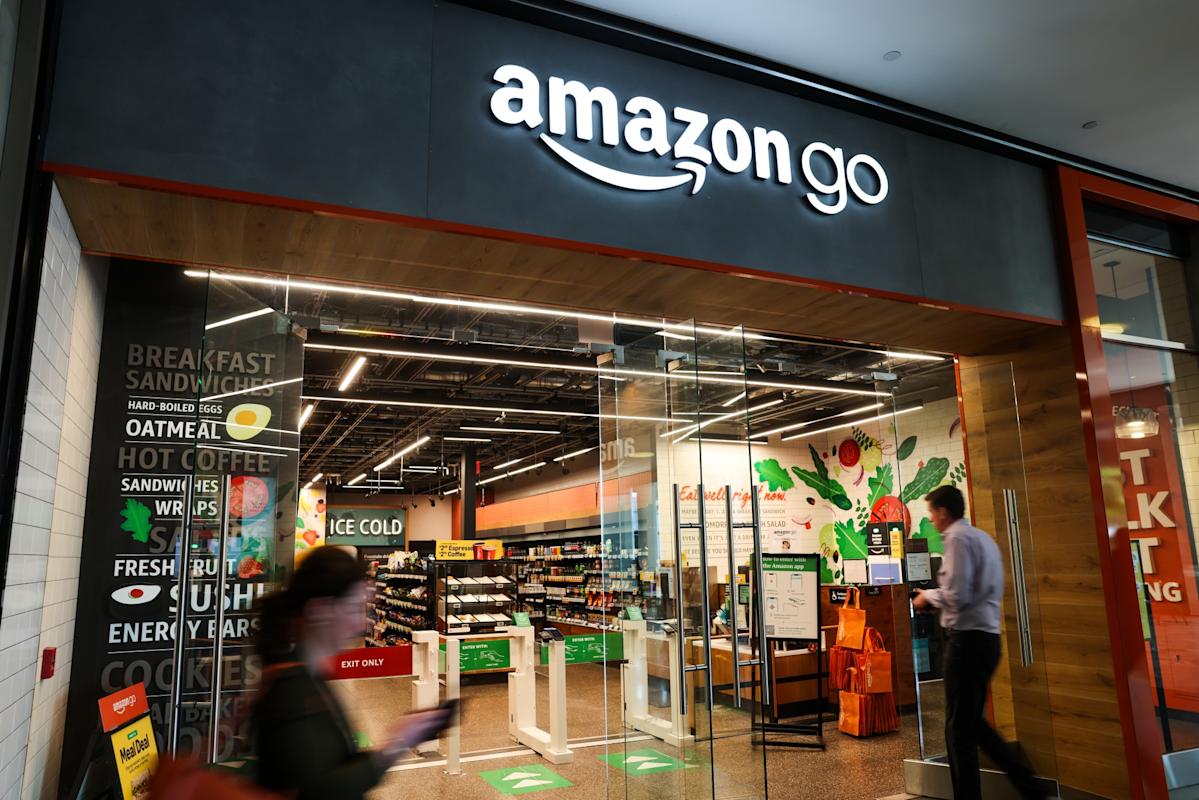
Amazon has announced the closure of its Amazon Fresh grocery stores and Amazon Go convenience outlets, marking a significant retreat from the tech giant's ambitious push into physical retail. The decision affects 72 locations and thousands of workers, representing one of the most visible setbacks in Amazon's decade-long quest to revolutionize brick-and-mortar shopping.The closure comes after years of experimentation with cutting-edge retail technologies, from cashierless checkout systems to AI-powered inventory management. Despite these innovations, Amazon admitted in a blog post that the stores "haven't yet created a truly distinctive customer experience with the right economic model needed for large-scale expansion."The Amazon Go stores, which debuted in 2018 with much fanfare, showcased the company's "Just Walk Out" technology—a sophisticated system of ceiling-mounted cameras and sensors that allowed customers to simply grab items and leave without traditional checkout. While technologically impressive, the 14 Go locations never achieved the Starbucks-like ubiquity their creators envisioned.Similarly, the 58 Amazon Fresh stores struggled to differentiate themselves in the competitive grocery landscape, despite digital price tags and integration with Amazon's delivery network. Retail analyst Neil Saunders from GlobalData noted that "neither Fresh nor Go stores were delivering the sales needed to make them fully economic."This retreat doesn't signal Amazon's complete exit from physical retail. The company will continue operating its 550+ Whole Foods locations and plans to convert some Fresh stores to the Whole Foods brand. Amazon also emphasized its continued investment in grocery delivery, reporting 40x growth in perishables delivery through its warehouse network.The closure reflects broader challenges facing tech companies attempting to disrupt traditional retail. While Amazon's e-commerce dominance is unquestionable, translating that success to physical stores has proven more complex than anticipated. The company's previous retail experiments—including bookstores, electronics kiosks, and the Amazon 4-Star concept—have similarly been shuttered over recent years.Interestingly, Amazon's checkout technology has found more success as a service offering, now operating in over 360 third-party locations including sports venues and entertainment facilities. This pivot from direct retail to technology licensing may represent a more sustainable path forward for the company's retail innovations.The move affects thousands of hourly workers, though Amazon has committed to helping employees find positions elsewhere within the company, including at Whole Foods or in its logistics network. The timing coincides with broader layoffs across Amazon's corporate workforce, reflecting the company's focus on profitability amid economic uncertainty.Looking ahead, Amazon isn't abandoning physical retail entirely. The company is testing new formats, including hybrid locations combining Amazon pickup counters with Whole Foods stores, and developing a massive 229,000-square-foot supercenter near Chicago. As analyst Saunders observed, Amazon's physical grocery strategy appears to be "We'll be back"—just in a different form.Source: Bloomberg via Yahoo Finance