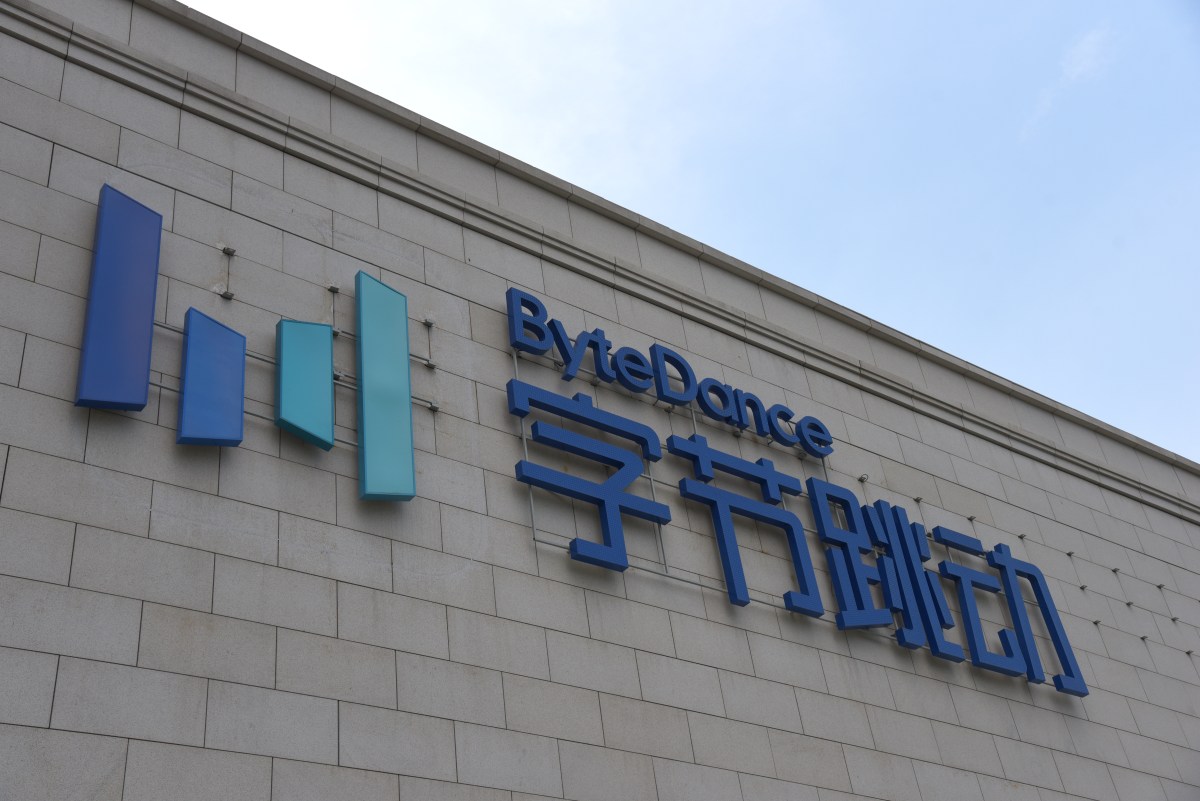
ByteDance has officially paused plans to launch its new AI video model globally, according to a recent report in The Information. The Chinese technology company, best known as TikTok’s parent organization and a minority shareholder in its U.S. spinoff, originally launched Seedance 2.0 in China back in February. Brief videos generated by the model soon went viral and drew intense criticism from Hollywood studios and industry watchdogs. The delay was confirmed by sources familiar with the decision.
Specific brief videos generated by the system, including a clip featuring Tom Cruise fighting Brad Pitt, soon went viral. This specific content sparked immediate legal concerns regarding likeness rights and unauthorized use of actor images across multiple jurisdictions. Studios quickly sent ByteDance a flurry of cease-and-desist letters regarding the unauthorized generation of famous faces. The clip itself used deepfake technology to create a realistic fight scene.
Disney’s lawyers accused the company of a virtual smash-and-grab of Disney’s IP during the initial rollout phase of the product. The accusation suggests that the model might be trained on copyrighted films without explicit permission from rights holders or creators. ByteDance responded by promising to introduce stronger safeguards for intellectual property immediately to stop the bleeding. This specific claim highlights the difficulty in protecting classic film libraries.
The company had planned to make Seedance 2.0 available globally in mid-March to capture the growing market demand for generative tools. The Information said that it is delaying those plans as its engineers and lawyers work to avert further legal issues and lawsuits. This delay indicates a strategic shift from rapid global expansion to risk mitigation and strict compliance with local laws. Sources indicated the decision was made internally last week.
This situation mirrors previous conflicts between generative AI developers and the entertainment industry over the last two years of AI evolution. Similar disputes have arisen with image generators like Midjourney and Runway regarding training data legality and copyright ownership. These legal battles often center on whether synthetic media counts as fair use or copyright infringement under current statutes. These precedents are critical for defining the future of AI art.
While one successful screenwriter declared that the footage meant, It is likely over for us, studios are taking swift legal action. This quote reflects the deep anxiety within creative sectors about AI replacing human labor and revenue streams permanently. However, the legal response suggests a demand for regulation rather than just market competition between humans and machines. The screenwriter represented the Writers Guild of America in the statement.
ByteDance does not immediately respond to TechCrunch’s request for comment regarding the current status or the timeline for release. Internal teams are reportedly reviewing the training data to ensure compliance before release in Western markets. The focus is on preventing future lawsuits while maintaining the model's high fidelity and performance standards. The company maintains that it is committed to ethical AI development.
The pause could set a significant precedent for how Chinese tech giants navigate Western regulatory environments and legal frameworks. It demonstrates that speed of deployment may no longer outweigh legal caution in the competitive AI sector globally. Companies must now balance innovation with strict adherence to intellectual property laws across borders and jurisdictions. Regulatory bodies in the European Union are also watching the situation closely.
What comes next depends on how quickly ByteDance can resolve these intellectual property concerns with major studios and rights holders. A successful resolution might allow for a revised launch strategy later in the spring or early summer of 2026. Failure to address the issues could result in significant financial penalties or bans in key markets like the United States. Investors are monitoring the legal risks associated with the launch.
Watch for updates on Seedance 2.0 as the legal situation evolves over the coming months and quarters of the fiscal year. The outcome will likely influence other AI video generators considering global expansion into Western territories and markets. The technology remains powerful, but its adoption now hinges on legal clearance and regulatory approval from authorities. Stakeholders will look to the next quarterly earnings report for clarity.